










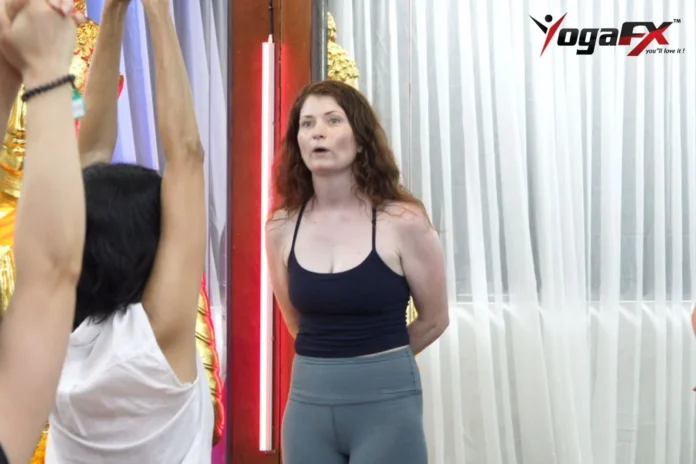
Yoga for athletes recovery works best when it stays easy. Choose a short, low-effort session the day after hard training, with slow breathing and floor postures first. In the Original Hot 26&2 room, our teachers cue athletes to ease off, because a 90-minute heated class is already a workout.
This guide comes from the teaching side of YogaFX. Mr. Ian Terry, our E-RYT 500 lead trainer with 12,000+ teaching hours, trains new teachers every year in Bali.
Athletes of every kind ask us about recovery: runners, lifters, riders and club players. So as teachers of yoga for athletes recovery, we hear the same question again and again: how do I recover without wrecking my next session?
Yoga for Athletes Recovery: What a 26&2 Teacher Tells You First
The first thing we tell athletes is simple: match the class to yesterday’s training. Good yoga for athletes recovery respects the fact that your body is rebuilding. A hot, long class asks it to work, and that is a different job.
Our rule of thumb for trainees is simple. If you can breathe through your nose and keep a conversation going, you’re in recovery territory. If you’re gripping, sweating hard and counting the minutes, you are training.
Here’s the short version we give athletes at the studio door:
- After an easy day: five minutes of slow breathing before bed is plenty.
- After a hard session: ten to twenty minutes of floor postures at about half effort, unheated.
- After a race, match or heavy block: two easy days first, then decide about a hot class.
- When you feel fresh again: a full 26&2 class can become part of your training week.
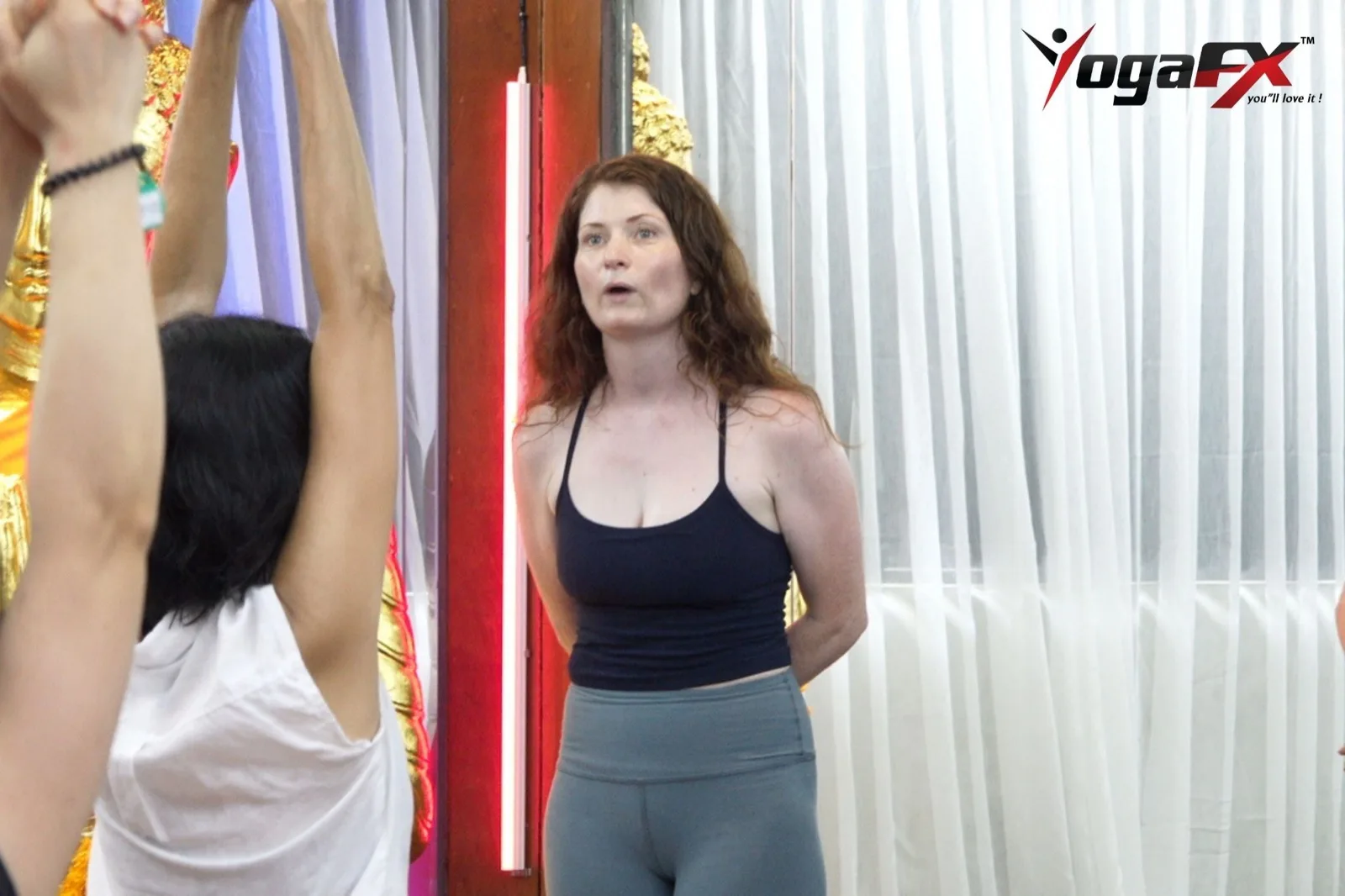
Why Athletes Should Treat a Hot Class as Training, Not Rest
Many athletes ask us about hot yoga for recovery, and the honest answer is that it depends on the day. The heat is the reason. A typical class runs at about 40 degrees Celsius and 40 percent humidity, for 90 minutes. Your heart works to cool you down while you hold the postures.
A University of Wisconsin-La Crosse team measured experienced practitioners in a 90-minute Bikram class. Men burned about 460 calories and women about 333. Heart rates averaged around 80 percent of maximum. That is solid cardio work, not a gentle stretch.
That’s why we separate two ideas. A hot class can be a great part of your training. It’s just not automatically a recovery day.
Is hot yoga good for DOMS?
Delayed onset muscle soreness, or DOMS, is the stiffness that arrives a day or two after hard or unfamiliar work. Many students tell us a warm room feels good on sore legs. That feeling is real. However, it does not show that the heat speeds up muscle repair.
So when you are properly sore, we suggest gentle, unheated movement first. The hot class can wait until the soreness eases.
Hot yoga after a workout: same day or next day?
Hot yoga after a workout on the same day stacks two hard efforts. An experienced practitioner in an easy training block may handle it. For most athletes it simply doubles the load. If you do go, take the first class easy, drink water, and let the teacher know what you trained that morning.
If you want to see how the full class compares with other cardio, read our look at whether hot yoga is a cardio workout.
What We Teach Trainees to Cue for Hard-Training Students
Every YogaFX trainee learns the 26&2 dialogue word for word. It is a fixed script with no demonstration and no music. Because the order never changes, a teacher can spend attention on the people in the room instead of on what comes next.
In practical sessions, trainees practise reading the room first. Who trained hard yesterday? Who is guarding a knee or a lower back? Then the teacher adjusts the cues, not the sequence. The table below shows how a trained teacher paces yoga for athletes recovery across a training week.
| Student’s situation | What the teacher cues | Focus in class | What to avoid |
|---|---|---|---|
| Easy training day | Full class at a steady, honest pace | Balance, breathing, long holds | Racing the room or chasing depth |
| Day after threshold work or heavy legs | Half effort, bend the knees, rest early | Floor series and spine work | Locking out sore legs in standing postures |
| Day after a race or match | Unheated home session, or sit out the heat | Slow breathing, lying still | Booking a hot class too soon |
| Tight hamstring or lower back | Soft knee, shallow range, stop at sharp pain | Gentle spine movement | Pushing a stretch into pain |
| Feeling fresh after rest days | Full effort within your limits | Standing series and strength holds | Skipping water and salt |
Notice that none of these rows says push harder. A teacher who offers yoga for athletes recovery learns to protect the recovery window as carefully as the practice.
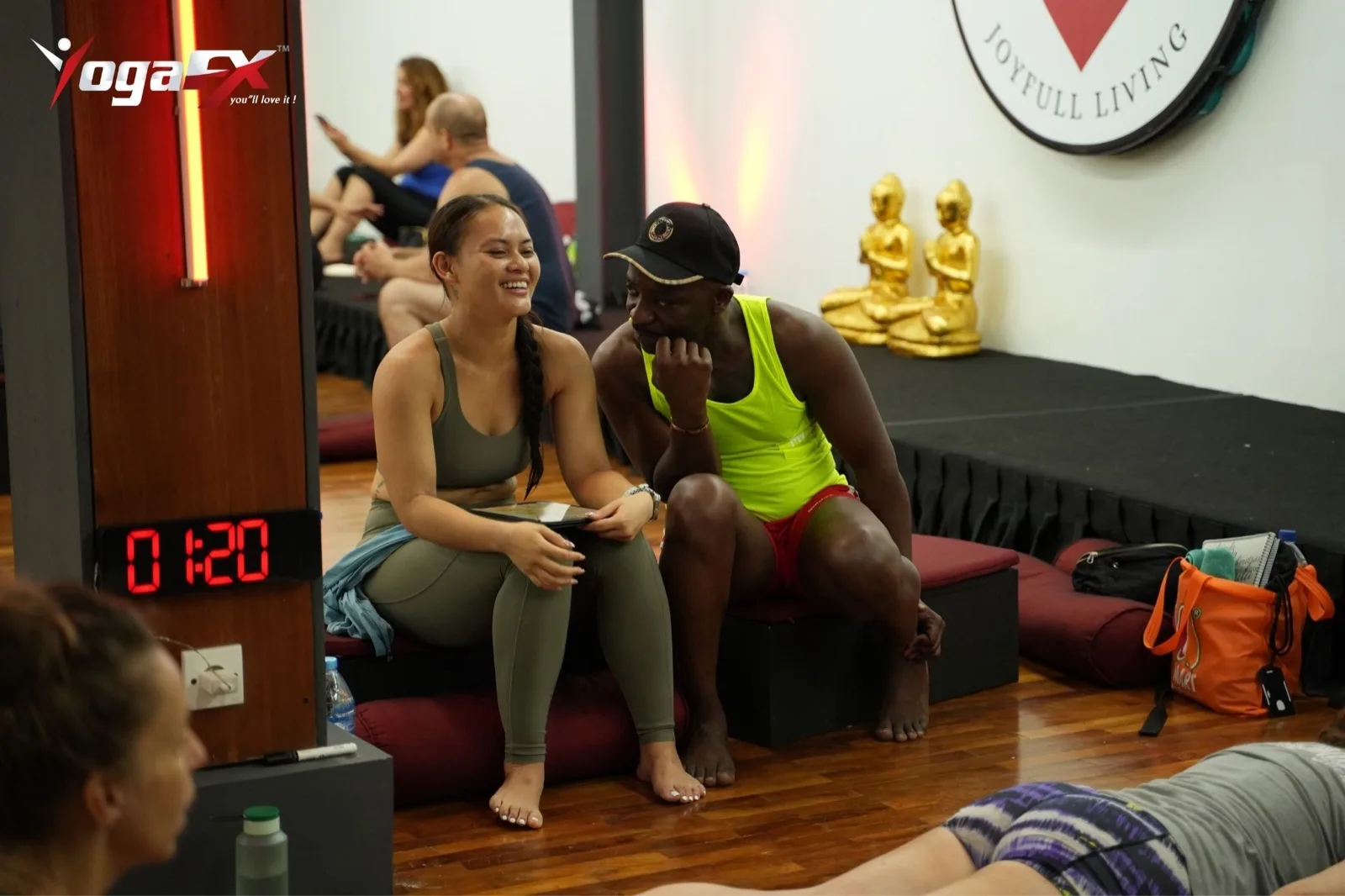
The Class in Numbers
These five numbers explain most of our advice on yoga for athletes recovery. Read them before you decide how hard to go on the day after training.
A Teacher’s Pacing Plan: Postures That Suit Recovery Days
We teach the Original Hot 26&2 sequence in a heated room, but its postures can also be practised unheated at home when you need a quiet day. The three routines below show yoga for athletes recovery at home, using a few of those postures. Keep every one at about half effort.
The five-minute wind-down
- Standing Deep Breathing: two slow rounds through the nose.
- Dead Body Pose: two minutes on your back, palms up, breathing slowing by itself.
- Blowing in Firm: one gentle round of short, soft exhales.
The 15-minute floor routine
- Wind Removing Pose: hug one knee, then both, to ease a tight lower back.
- Cobra: two short, low sets that wake the spine without loading the legs.
- Half Tortoise: fold forward from your heels and let the breath settle.
- Head to Knee with Stretching: bend the knee as much as you like.
- Spine Twisting: one calm set each side, then rest.
Please skip any posture that feels sharp or bruised. The aim is easy blood flow and calm breathing, not new flexibility records.
The day-two reset after a race or match
Once the worst soreness has passed, add a few standing postures such as Half Moon, Triangle and Tree, then finish with the floor routine. If your legs shake in a standing posture, sit down. That is your body asking for one more easy day.
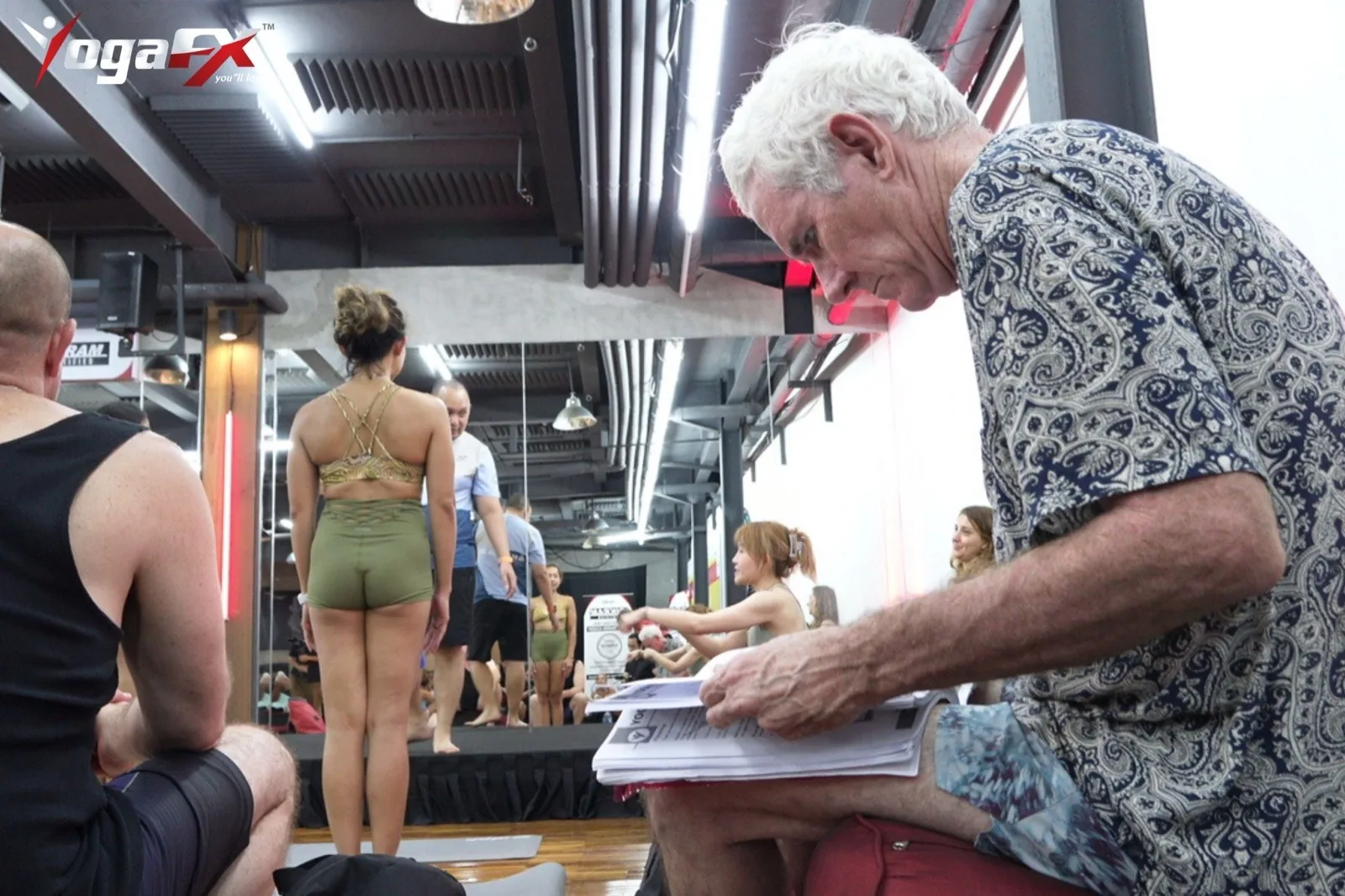
If you would rather practise away from a studio, our sister site lays out a longer home routine for sore, busy athletes with recovery timing by session type.
What the Research Says About Yoga and Recovery
It’s worth being open about the evidence. Very few trials test yoga for athletes recovery directly, so most of what we know comes from nearby questions. Research suggests the picture is helpful, but it is not a promise.
- Recovery timing. A 2013 review by Stanley, Peake and Buchheit in Sports Medicine links heart-rate recovery mainly to intensity. Recovery is complete within about 24 hours after low-intensity exercise, takes 24 to 48 hours after threshold work, and needs at least 48 hours after high-intensity sessions.
- Strength and flexibility. In a 2013 trial, Tracy and Hart found that Bikram training in healthy young adults improved deadlift strength and flexibility, while aerobic fitness stayed about the same.
- The wider picture. A 2025 systematic review by Willmott and colleagues pooled 43 hot yoga studies with 942 participants and reported promising effects on health and function.
- Stress. A 2022 study by Hui and colleagues found that hot yoga reduced state anxiety, the short-term stress you feel in the moment.
So what does that mean for you? Yoga for athletes recovery may help by keeping you moving and calming your breathing. It has not been shown to replace sleep, food or sensible training loads.
A note on health: if you have a heart condition, high blood pressure, a current injury, or take medication that affects heart rate or sweating, check with your doctor before any heated practice. This article is general information, so please consult a healthcare professional or your physio about your own situation.
What YogaFX Students Say About the Training Room
We do not claim a trainee’s recovery results. What students describe is how it feels to be coached carefully, at their own pace, in a room that is demanding. These quotes come from our public reviews.
It was the hardest thing that I have ever done…emotionally, physically and mentally. It tore me down and built me back up.
Britt, Google review, 2026
Britt also wrote that Mr. Ian told her to stay on her own path, which is the same advice we give athletes who want to race the room.
Mr Ian, with the lovely Miss Ivara’s help has structured each day of the course in a way that allows all students to evolve emotionally & physically both individually & together in a safe, supportive environment.
Shelley, Google review, 2026
Very very good teacher, very very nice class. I really really enjoy it. (translated)
Saul, YouTube review, 2024, watch the video
Yoga vs Foam Rolling, Stretching and Complete Rest
Athletes often ask whether yoga for athletes recovery beats the other tools when they only have fifteen minutes. Each tool does a slightly different job, so the best answer is usually a mix.
- Gentle yoga combines easy movement, range of motion and slow breathing in one short session.
- Foam rolling is quick and targeted. It does little for breathing or posture, though.
- Static stretching on its own covers range but skips the calming breath work.
- Complete rest is the right call when you are injured, ill or badly short of sleep.
For most athletes, we suggest rolling the tightest spot for two minutes and then following one of the routines above. That way the breathing and posture work covers what the roller misses.
Heat, Water and Salt: What to Plan Around
Heat adds a second job to yoga for athletes recovery. You are recovering from training and also managing a hot room. That is why our teachers ask every new student about water, food and sleep before the first class.
Here is what we ask athletes to plan around before a heated class:
- Drink steadily through the day, not only during the 90 minutes.
- Eat a light meal a few hours before, so you are not practising on empty.
- Sleep first. A poor night stretches every recovery window, however good the class is.
- Leave when you need to. Sitting down is part of the practice, and a good teacher will never mind.
A tropical studio helps here, because the heat is natural and not driven by electric heaters. Even so, athletes should build up slowly. Athletes who are new to heat often find the first few classes harder than their usual sessions, even when their fitness is excellent. That’s normal, and it’s the reason we suggest a gentle first week.
Common Recovery Mistakes We See Athletes Make
Competitive people bring the same drive to recovery that they bring to training. That works in the gym and it backfires on the mat. These are the yoga for athletes recovery mistakes our teachers correct most often:
- Turning recovery into a workout. If you are sweating hard, you have gone past easy.
- Booking a hot class the morning after a race. Give the heat a few days.
- Locking the knees in forward folds. Bend them, so the stretch lands in the hamstrings instead of the lower back.
- Stretching an injured muscle. A fresh strain needs a physio, not a deeper stretch.
- Skipping it on busy weeks. Five minutes of breathing still counts and keeps the habit alive.
Athletes who want more strength from their practice may also like our guide to whether hot yoga builds muscle, and our breakdown of what a hot yoga workout asks of the body. Runners can also read about hot yoga for runners.
From Athlete to Teacher: Training With Mr. Ian in Bali
Some athletes find that teaching yoga for athletes recovery suits them. They already understand load, pacing and the cost of overdoing it. Those are useful instincts in front of a class.
Mr. Ian trained for five years, from 2014 to 2019, with the founder of the Bikram Hot 26&2 method.
Today the YogaFX Bali course is a six-day hybrid: online pre-course study, then an intensive in Bali. Graduates earn a Yoga Alliance RYT 200 certificate and a Bikram Hot 26&2 200-hour international yoga certification. The next batch checks in on Sunday 24 January 2027 and checks out on Friday 29 January 2027 at Soham Wellness Center in Seminyak.
You can read how the dual certificate works in our 26 and 2 yoga teacher training overview, or see how the sequence itself is taught in Original Hot Yoga at YogaFX.
FAQ
Is yoga good for muscle recovery?
Gentle yoga may help muscle recovery by keeping you moving, easing stiffness and slowing your breathing. Research is limited, so treat it as one tool next to sleep, food and sensible training loads. Keep the effort low, and skip any posture that hurts a sore or injured muscle.
Is hot yoga good for recovery the day after a hard session?
Usually not on the very next day. A 90-minute heated class is a workout in its own right, with a raised heart rate and about 460 calories burned by men in one study. Choose gentle, unheated floor work first, and book the hot class once your legs feel fresh.
Is hot yoga good for DOMS?
A warm room can make sore legs feel looser, but that feeling does not prove the heat speeds up muscle repair. While delayed onset muscle soreness is strong, gentle unheated movement is the safer choice. Save hot yoga for recovery for the days after the soreness has eased.
How long should yoga for athletes recovery take?
Ten to twenty minutes is enough for most athletes. Start with two minutes of slow breathing, add a few floor postures at about half effort, and finish lying still. If you are sweating hard or breathing fast, the session has turned into training, so slow down.
What should I do after hot yoga when I am training hard?
Drink water, eat a normal meal, and keep the rest of the day easy. If you feel flat, treat the class as a hard session in your plan and keep tomorrow light. Stop and see a doctor if you feel dizzy, faint or unwell.
Still have questions? Message Mr. Ian and the YogaFX team on WhatsApp and we will answer them personally.