




Free yoga certification exists, but a free course does not give you the Yoga Alliance RYT 200 credential. That credential needs a 200-hour training with a Registered Yoga School, and those schools charge tuition. Free courses still teach real things. This guide shows what they cover, what they miss, and how to lower the bill.
Mr Ian Terry, E-RYT 500, founder of YogaFX and a teacher with more than 12,000 teaching hours, wrote the checklist below from the questions applicants ask him most. His advice is simple. Use free material to learn, then pay for the part that cannot be free: a trainer watching you teach.

Free Yoga Teacher Training: The Short Answer
Free yoga teacher training is real, but it comes in three forms, and only one of them leads to a registered credential. Knowing which form you are looking at saves weeks of searching.
- Free online courses. These give you lessons, a PDF manual or a certificate of completion. They cost nothing, and the certificate is issued by the course owner, not by a registry.
- Free trials or free modules. A paid school gives you one lesson or one week as a sample. It is a good way to test the teaching style, but it is not the full 200 hours.
- Free resources for students. Manuals, videos and posture guides. Useful for study, though they do not replace a trainer’s feedback.
None of these three replaces a registered 200-hour training. Yoga Alliance’s Standards for Registered Yoga Teachers say that teachers obtain the RYT 200 credential after completing a 200-hour training registered with Yoga Alliance. The same document says multiple trainings cannot be combined to meet the 200-hour requirement. So ten free courses of 20 hours each will not add up to one RYT 200.
That doesn’t make free courses worthless. It means you should decide what you want from them. If you want to learn the vocabulary of yoga, free is fine. If you want a job offer from a studio, the registered credential matters more.
Is Free Yoga Certification Worth Your Time?
A free yoga certification is worth your time in some cases and a waste in others. The difference is what you plan to do with it, so decide that first.
When a free course makes sense
- You are testing your interest. A free yoga certification costs you nothing but hours, so it is a fair way to find out whether you enjoy the subject.
- You want to learn vocabulary. Posture names, anatomy terms and basic sequencing are easy to study alone.
- You plan to enrol later. Arriving at a registered training with some background lets you spend the live days on teaching skills instead of basics.
When it falls short
- You want a studio job. Hiring managers usually screen for the registered 200-hour credential, and a free yoga certification rarely meets that screen.
- You want insurance cover. Insurers often ask for proof of a recognised training before they quote.
- You want to lead a heated room. Hot yoga carries extra risks, so supervised practice matters more here than in a flat-room class.
In short, treat free yoga certification as a first step, not a finish line. Because the credential comes from the registered school, the smart plan is to study for free and then pay once for the training that counts.
What Free Yoga Certification Usually Gives You
Most free yoga certification programmes share the same strengths and gaps, so it helps to know them before you sign up. Here is what you can usually expect, based on how the best-known free courses are structured.
What you get
- Theory you can study at your own pace. Anatomy basics, posture names and a little yoga history.
- A certificate of completion. Nice for a CV folder, but employers rarely treat it as proof you can lead a room.
- A low-risk way to test your interest. If you quit after two weeks, you lose nothing but time.
What you usually don’t get
- A trainer who corrects your teaching. Watching a video of a posture is different from standing in front of ten people and being corrected on your voice, timing and cueing.
- Supervised practice teaching. This is the single biggest gap, because teaching is a skill you build by teaching.
- Registry eligibility. Without a Registered Yoga School behind it, a course cannot lead to the RYT credential.
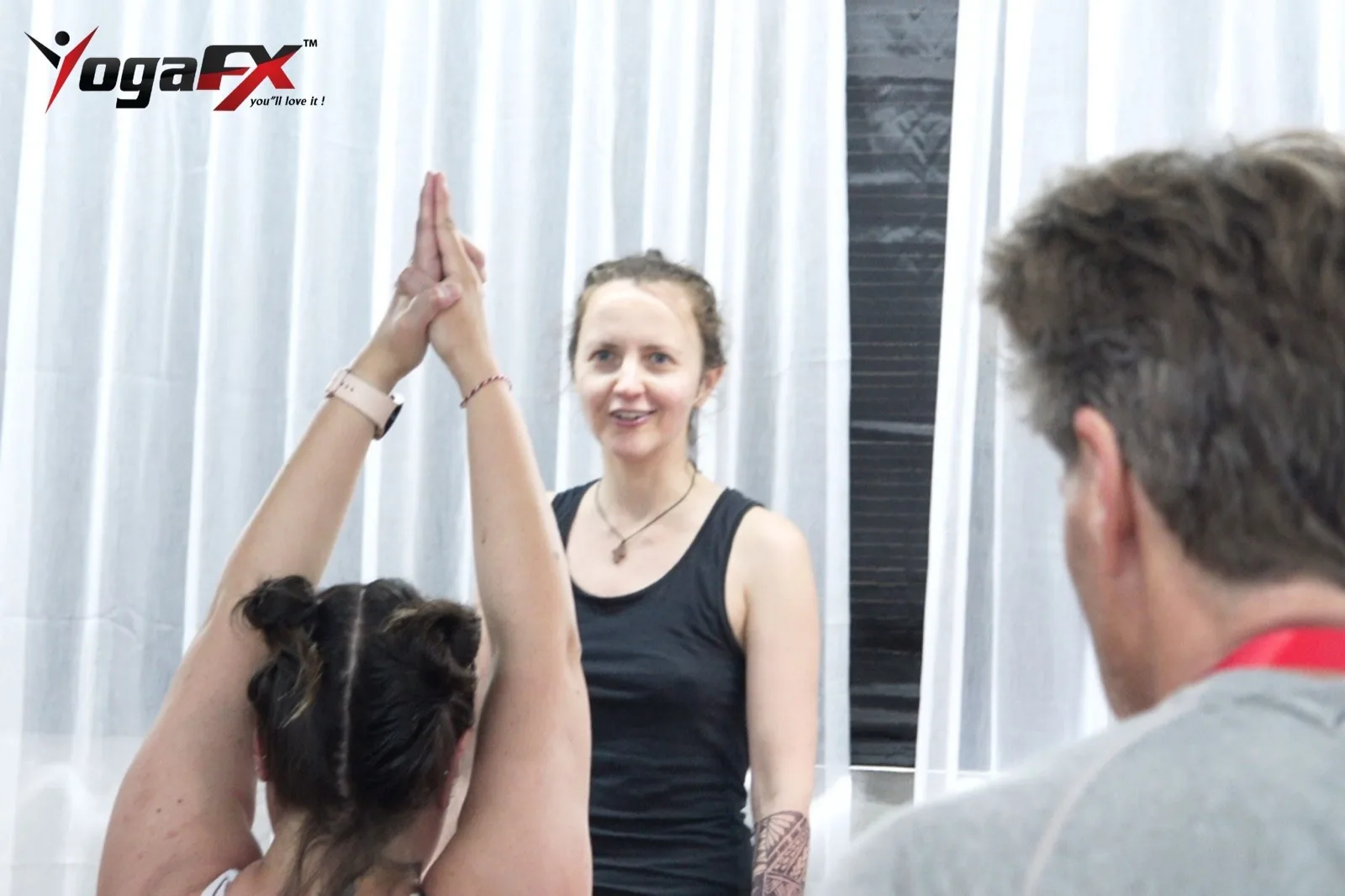
In our experience, graduates say the part they could not have learned from a screen was the feedback. That fits what most teachers tell us: you learn to teach by being watched while you teach.
Free vs Paid Yoga Teacher Training Compared
The table below puts the four common routes side by side. The tuition range for registered schools comes from Yoga Alliance’s training options page. The YogaFX prices come from our published fees.
| Route | What you pay | Leads to RYT 200? | What to check |
|---|---|---|---|
| Free online course, no registered school | US$0 | No. The 200 hours must be with a Registered Yoga School | Who issues the certificate and who marks your teaching |
| Free trial or module from a registered school | US$0 for the sample | Not on its own. Trainings cannot be combined to reach 200 hours | Whether the sample is a lesson you can keep using |
| Paid 200-hour training with a Registered Yoga School | About US$1,500 to US$5,000 or more | Yes, after you finish and apply | Supervised teaching hours, trainer experience, what the fee includes |
| YogaFX 6-day hybrid training | US$1,899 Early Bird, US$1,999 Twin Share, US$2,199 Single Room Premium | Yes. RYT 200 plus Bikram Hot 26&2 200-hour certification | Early Bird window, room option, instalment plan |
Read the last two rows together. The gap between a typical registered tuition and the YogaFX fee is smaller than most people expect. Early Bird at US$1,899 is the price you pay while that window is open, so ask the team which window applies when you enquire.
The Numbers Behind the Decision
200 hours
The minimum training for a Yoga Alliance RYT 200 credential, delivered by a Registered Yoga School.
US$250 a month
Where YogaFX instalments start, with no interest. That is about US$8 a day.
6 days
The in-person intensive in Bali, after an online pre-course. Check in Sunday, check out Friday.
1,500+ graduates
Trained since 2017, from more than 80 countries.
What Yoga Alliance Actually Requires
Yoga Alliance doesn’t train anyone. It keeps a registry of schools and teachers. According to Yoga Alliance’s training options page, the route is to enrol in a Registered Yoga School, complete the required training hours, then submit your application with your training certificate.
The Standards for Registered Yoga Teachers add two details that matter for anyone chasing free yoga certification. First, the RYT 200 credential comes after a 200-hour training registered with Yoga Alliance. Second, you cannot stitch several smaller trainings together to reach 200 hours.
In plain terms, free yoga certification and registered yoga certification are two different products. One is a learning resource. The other is a credential that studios, gyms and insurers recognise, so it carries a price.
Notice what the standards leave out. They don’t say anything about free courses that sit outside the registry. That is why a free certificate can be perfectly genuine as a certificate of completion and still not count towards RYT 200.
If you are weighing how many hours you really need, our guide on how many hours you need to become a yoga instructor goes through the three credential tiers. For the full bill, including the registry’s own fees, see our breakdown of Yoga Alliance certification cost.
What the Research Says About Hot Yoga and Why Your Trainer Matters
Hot yoga teachers carry a safety duty that a flat-room teacher doesn’t. The National Center for Complementary and Integrative Health (NCCIH) says yoga is generally considered safe for healthy people when performed properly under the guidance of a qualified instructor. It also notes that hot yoga has special risks related to overheating and dehydration.
That second point is the heart of the matter. A teacher in a 40 degree room has to recognise a student who is overheating, and has to know when to tell them to sit down. You can’t learn that from a video lesson alone.
The benefits side is encouraging, though it does not replace medical care. A 2025 systematic review led by Willmott and colleagues pooled 43 studies with 942 participants and reported benefits from Bikram-style practice for flexibility and well-being. A 2022 study by Hui and colleagues found that hot yoga reduced state anxiety.
The NCCIH also cites a review of 12 studies with 672 participants that found beneficial effects of yoga on perceived stress. So the practice itself has support, which is exactly why the quality of your training matters.
These findings describe how practice affects people. They are not promises. If you have a heart condition, are pregnant or take medication, speak to a healthcare professional before starting hot yoga, and ask your trainer how they handle students with health conditions.
How to Judge a Free Online Yoga Teacher Training
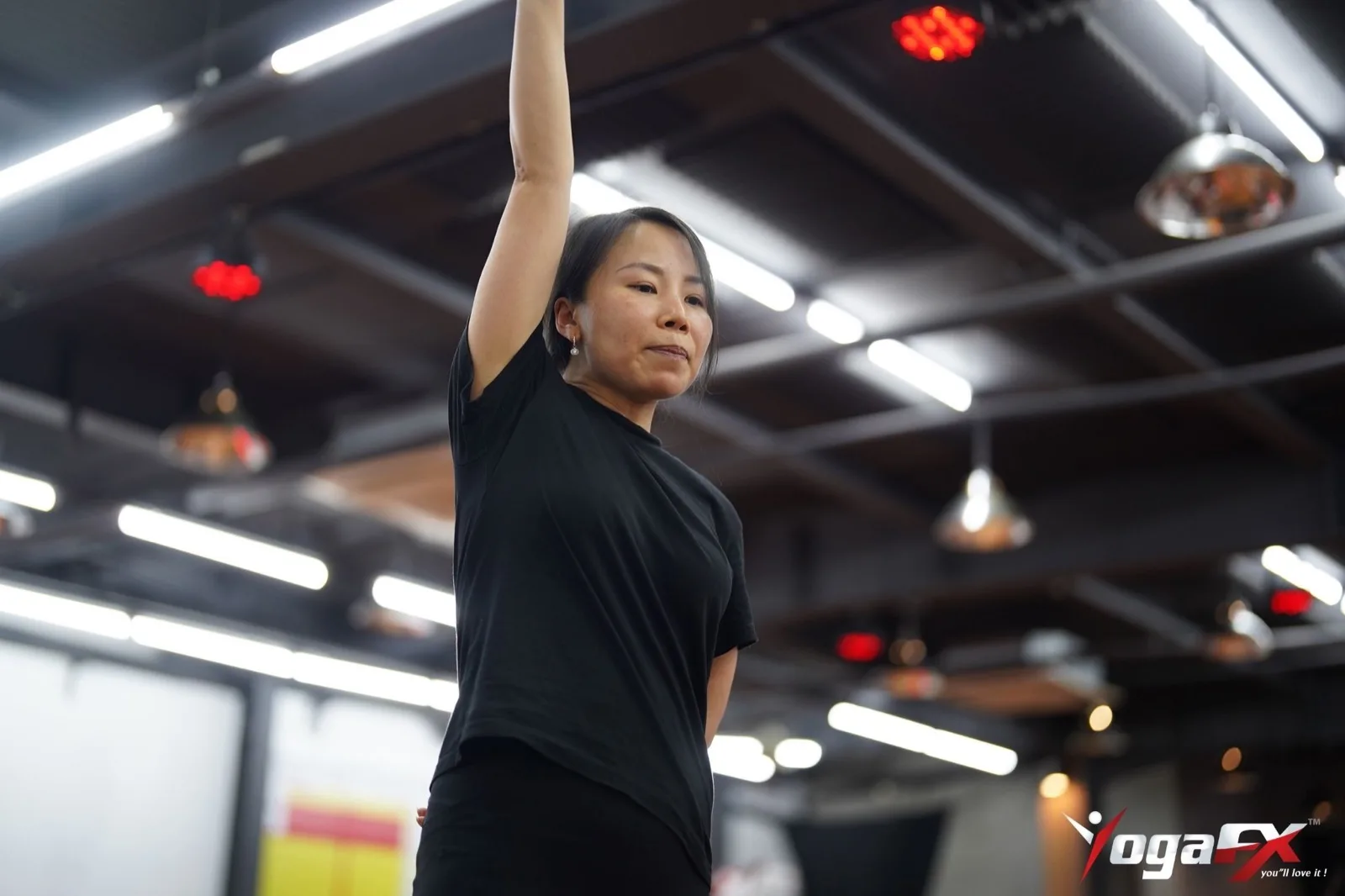
If you still want to start with free yoga teacher training, use this checklist. It takes ten minutes and protects you from the weaker courses.
- Find out who issues the certificate. A named school with a real address and a named trainer is a better sign than a certificate from an anonymous website.
- Ask whether the school is a Registered Yoga School. If it isn’t, don’t expect the course to lead to RYT 200.
- Look for the trainer’s own credentials. Check teaching hours and training lineage, not just a title.
- Check for any feedback. Is a human reviewing your teaching, or only marking a quiz?
- Read reviews from graduates. Look for people who say they now teach, not only people who say they enjoyed the videos.
- Watch for hidden costs. Some free courses charge for the certificate, the manual or the exam.
Use the free yoga certification to confirm you enjoy the subject. Then compare it against a registered training. Our guide on online yoga teacher training versus a hybrid course explains how the two formats differ for real teaching skill.
How to Pay Less for a Real Certification
If free yoga certification isn’t realistic for your goals, lower-cost is. Four levers move the price more than anything else, so start with these.
- Pick a short, intensive format. A 6-day intensive means fewer nights of accommodation than a month-long retreat.
- Use an early bird price. YogaFX‘s Early Bird is US$1,899 while the window is open, against US$1,999 for Twin Share after it.
- Spread the cost. Instalments start at US$250 per month with no interest, and the deposit is very low.
- Ask about scholarships and discounts. They are less common than the search volume suggests, and our guide on yoga teacher training scholarships explains how to find a real one.
Compare the full bill, not only the tuition. A free yoga certification has no tuition, but a paid training can hide costs in flights, rooms, food and registry fees. Ask each school to list what the fee includes, so you can compare like with like and avoid surprises after you book.
Be careful with anything described as free that asks for a deposit, a card number or a “processing fee” before you see the curriculum. A real school tells you the full price early.
What Graduates Say
We have 150 Google reviews, 50 Yoga Alliance reviews and 357 YouTube testimonials. Here are three from graduates, with first names only.
“The training was clear, structured, synthesized. The information complemented the practice and provided alternatives of postures for people with certain injuries.”
Cristina, Yoga Alliance review, 2024
Septa called the training a life-changing experience in his YouTube graduation video (2024) and urged other yogis to sign up. A trainee in our YouTube review video (2023) said they enjoyed the course, received their certificate and can now teach students.
These graduates describe the same thing, and it is the opposite of a free yoga certification video course: supervised practice and a trainer who answers back. That’s the part a free course can’t deliver.
Inside the YogaFX 6-Day Hybrid Training
YogaFX teaches the Bikram Hot 26&2 method in a 6-day hybrid format. You complete an online pre-course first, then join the intensive in Bali. The next batch checks in on Sunday 24 January 2027 and checks out on Friday 29 January 2027, at Soham Wellness Center in Seminyak.
Graduates earn the Yoga Alliance RYT 200 credential and the Bikram Hot 26&2 200-hour international yoga certification. There is no cap on the number of trainees, so you never compete for a place. Classes run 90 minutes at 40 degrees Celsius and 40 percent humidity, with natural tropical heat.
Mr Ian trained for five years, from 2014 to 2019, with the founder of the Bikram Hot 26&2 method, and holds the Master Trainer title from the Republic of Indonesia Yogasana Sports Federation. That lineage is why we teach the original scripted dialogue without music or demonstration.
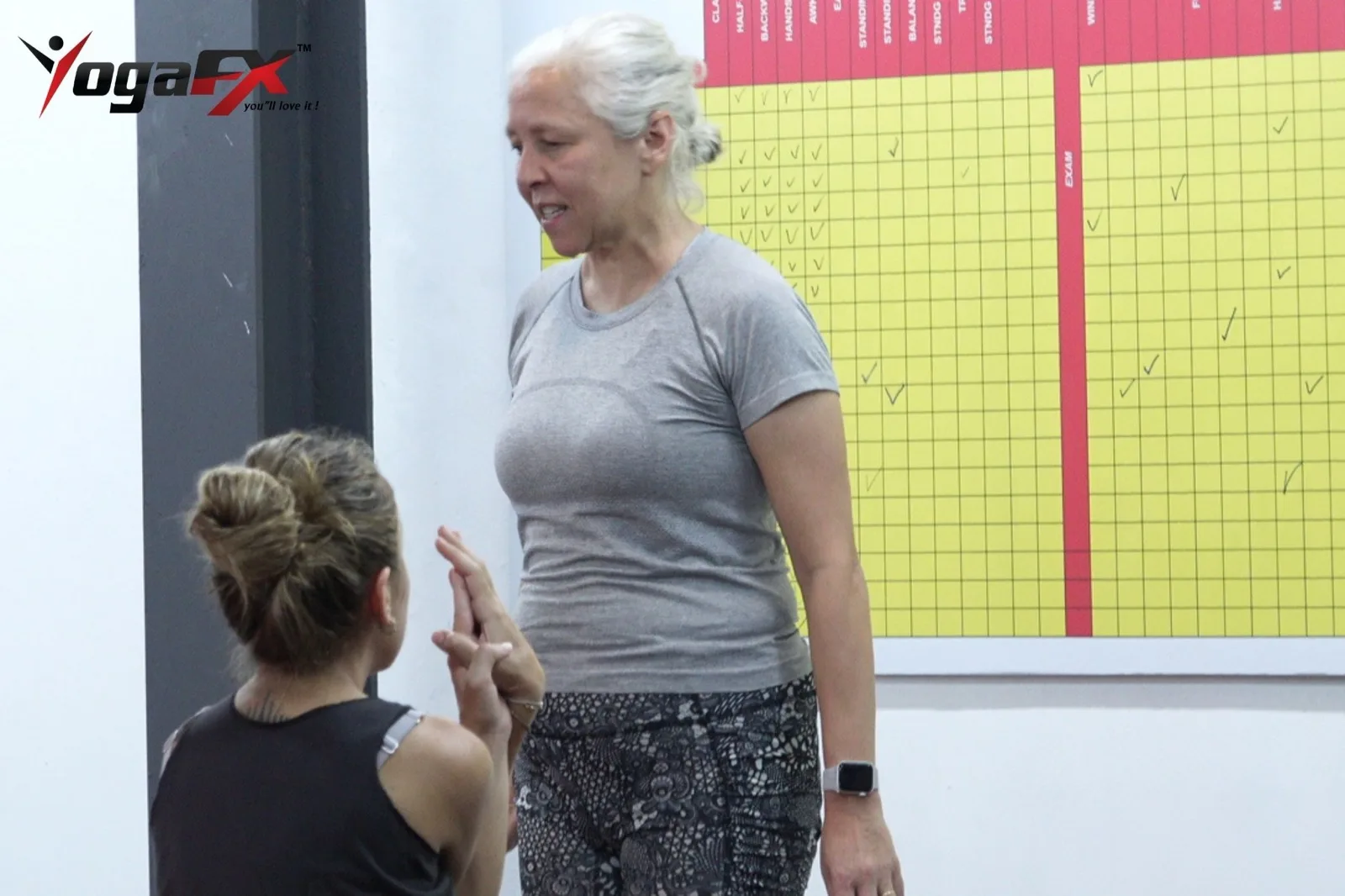
Ready to compare? Read our step-by-step application guide or message the team on WhatsApp and ask which price window and room option fit you.
FAQ
Can free yoga certification count as an RYT 200?
Not on its own. Yoga Alliance’s standards say a 200-hour credential comes from a 200-hour training with a Registered Yoga School, and separate trainings cannot be combined to reach 200 hours. A free course can teach you useful material, but it will not give you the registered credential.
Is there a free 200-hour yoga teacher training online?
Some websites advertise one, but check who issues the certificate and whether that school is registered with Yoga Alliance. If it isn’t, the course cannot lead to the RYT 200 credential. Treat it as free study material, then pair it with a supervised, registered training when you are ready.
Can you teach yoga without a certification?
In most places yoga teaching isn’t licensed by law, but studios, gyms and insurers often ask for a 200-hour credential before they hire or cover you. Without one, your options are narrower. Our guide on whether you need a licence to teach yoga explains what employers usually ask for.
Why is yoga teacher training so expensive?
A registered training pays for supervised teaching practice, an experienced trainer, accommodation or a venue, and the school’s registry costs. Yoga Alliance lists school tuition at roughly US$1,500 to US$5,000 or more. YogaFX sits near the lower end of that range at US$1,899 to US$2,199.
How can I pay less for a yoga teacher certification?
Look for an early bird price, a payment plan and a low deposit, then ask schools about scholarships. YogaFX offers instalments from US$250 per month with no interest, which works out to about US$8 a day. Ask the team which room option and price window apply to you.
Still have questions? Message Mr. Ian and the YogaFX team on WhatsApp and we will answer them personally.
Independent training, not official Bikram Choudhury Teacher Training. This article is general information, not medical advice. Consult a healthcare professional before starting hot yoga.