









Yoga teacher training scholarships exist, but they are less common and more competitive than the search volume around this topic suggests. Most are offered directly by individual schools rather than through a centralised fund, which means finding one takes more legwork than searching “yoga scholarship” and expecting a single database to surface every option.
This guide covers what actually exists, how to find and apply for a legitimate one, why the destination-intensive format specifically makes scholarships rarer than at studio-based programs, and what a transparent flat-price alternative looks like if a scholarship search doesn’t pan out.
What YTT Scholarships Actually Look Like
Scholarships in this space generally fall into a few recognisable categories. Identity-based scholarships, often funded by a specific studio or a wellness nonprofit, aim to make teacher training more accessible to underrepresented communities within the yoga industry. Financial-need scholarships work more like a partial tuition waiver, usually requiring an application essay or interview explaining your circumstances.
Work-study arrangements, where a candidate trades front-desk hours or class assistance for a discount on tuition, are common at studio-based programs with an ongoing physical location, though they are far less practical for destination intensives that only run a few times a year. Occasionally a school will also run a “scholarship” that is really an early enrolment discount rebranded for marketing purposes, so it is worth reading the fine print before assuming a listed scholarship is need-based aid rather than a standard promotional rate.
None of these are guaranteed to exist at any given school in any given year. Availability depends entirely on that school’s funding, application volume, and current priorities, which is why a scholarship that existed last year may simply not be offered for the next cohort.
It’s also worth understanding what a scholarship typically does not cover, since this catches applicants off guard more often than the eligibility criteria themselves. Most scholarships discount tuition specifically and rarely extend to travel, accommodation, or living costs during the training period, so a scholarship covering 50 percent of a course fee can still leave a destination-intensive applicant with a substantial out-of-pocket total once flights and lodging are added back in. Reading the scholarship’s exact terms before applying, rather than assuming “scholarship” means the whole experience is subsidised, avoids a mismatch between expectation and reality partway through the application process.
How to Actually Find and Apply for One
- Check the specific school’s page directly, not a general search. Scholarships are rarely aggregated; each school that offers one lists it on its own site, usually under admissions or financial aid rather than the main pricing page.
- Ask directly, even if none is advertised. Some schools have informal, undisclosed flexibility for genuine financial hardship that never appears on the website. A direct, honest email asking about payment flexibility costs nothing to send.
- Look at wellness and yoga-adjacent nonprofits separately from schools. A handful of nonprofit organisations fund teacher training scholarships independent of any specific school, though these are limited in number and highly competitive.
- Apply early, not close to the cohort start date. Scholarship funds, where they exist, are usually allocated per cohort or per year and run out well before enrolment closes.
A strong application typically does more than list financial need. Schools reviewing scholarship requests are usually looking for a genuine, specific reason the applicant wants to teach, not just a reason they cannot afford the standard price. An application that connects a concrete goal, teaching in an underserved community, transitioning careers after a specific life event, building a home studio practice into paid work, tends to stand out more than a generic request, since it gives the reviewing school a clearer sense of what their limited scholarship budget would actually accomplish.
Why Scholarships Are Rarer for Destination Intensives Specifically
This is worth understanding before you spend hours searching for something that structurally doesn’t exist in a given format. A studio-based program with a permanent physical location and an ongoing class schedule has revenue streams beyond training tuition, membership fees, drop-in classes, retail, which can subsidise the occasional scholarship seat. A destination intensive that runs a handful of times a year, in a rented or owned venue with fixed staffing and cohort costs, has a much thinner margin to work with, since nearly all of its revenue comes from that same training tuition.
That structural difference is part of why destination programs more often compete on transparent, already-low flat pricing rather than a scholarship system layered on top of a higher list price. A flat, honestly-priced program and a scholarship-discounted program can land at a similar out-of-pocket cost, even though only one of them requires an application and a waiting period to find out if you qualify.
There is a timing risk worth factoring in too. A scholarship application typically takes weeks to review, and a rejection often arrives close enough to a cohort’s start date that finding and booking flights afterward becomes noticeably more expensive than if you had booked without waiting on the outcome. For a program that only runs a handful of times a year, missing one cohort while waiting on a scholarship decision can mean a multi-month delay to the next available intake, which is a real cost even though it never appears on an invoice.
What YogaFX Offers Instead
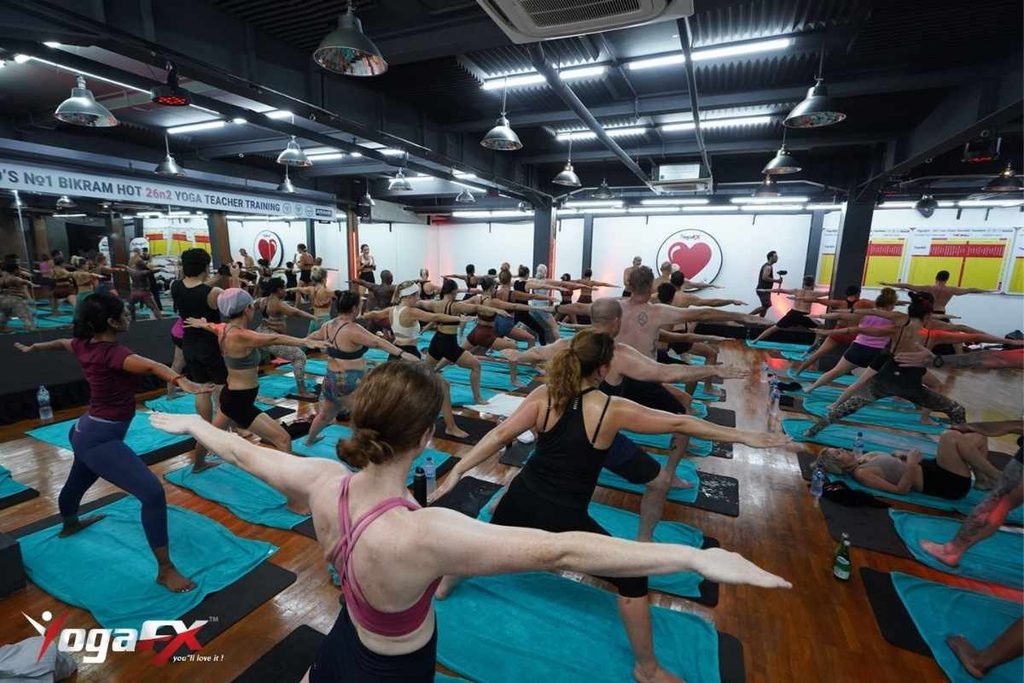
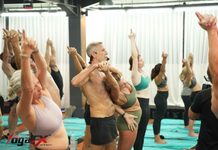
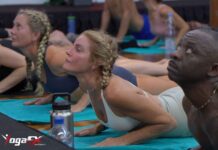
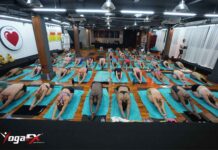
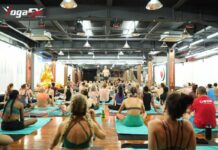
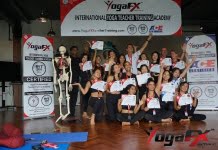
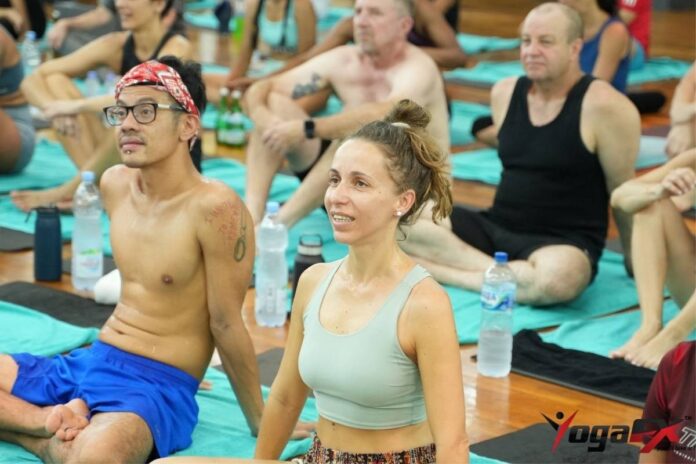
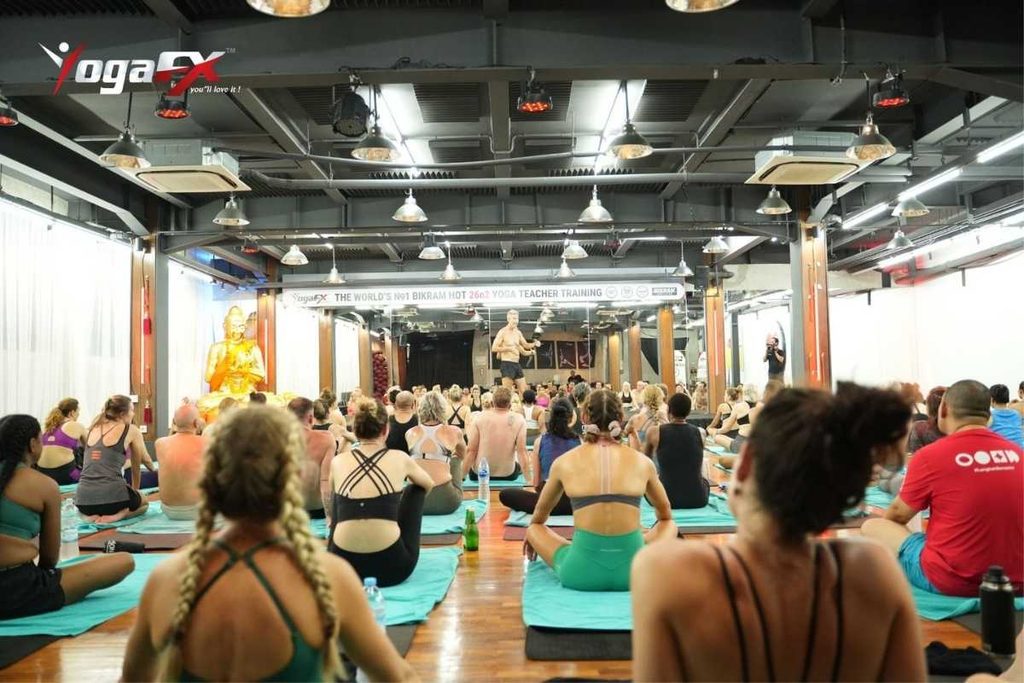
YogaFX is a prominent Hot 26&2 yoga teacher training academy headquartered in Bali, operating in Seminyak and Canggu. To be straightforward about it: YogaFX does not currently run a scholarship program. What it offers instead is a flat, fixed price, USD 1,999 for the full 6-day intensive and dual certification (a limited number of Early Bird spots on the upcoming cohort are currently open at USD 1,899), with a very low deposit that credits toward the total rather than sitting on top of it. There is no tiered pricing based on financial need to apply for and wait on, and no separate scholarship application process that could delay your cohort placement.
For a full breakdown of exactly what that USD 1,999 covers and how the deposit structure works, see our complete YTT pricing and deposit guide. If a scholarship at another school genuinely brings your total cost meaningfully lower than a comparable flat-rate program, that is a legitimate reason to pursue it, particularly for a studio-based, ongoing program with a real work-study structure. The honest comparison is total out-of-pocket cost after any scholarship discount, not the headline price before one. If you have already paid a deposit through Tripaneer, this guide explains what deposit payers can do next after the Tripaneer bankruptcy.
This approach also removes a specific kind of stress that scholarship applicants describe often: the uncertainty of not knowing whether you can afford a program until weeks into an application process, sometimes after you have already told your employer or family you plan to travel for training. A flat price means the affordability decision happens once, upfront, with full information, rather than in stages contingent on an outcome outside your control.
Other Ways to Reduce the Total Cost
If a scholarship does not come through, or the school you want does not offer one, a few other levers move the total cost more reliably than waiting on an uncertain application.
- Book flights well in advance. For destination intensives specifically, airfare often moves the total budget more than the training fee itself, particularly to Southeast Asia from North America or Europe.
- Arrange your own accommodation. A school-arranged accommodation package is convenient but rarely the cheapest option; independent booking in a destination like Bali can meaningfully undercut a bundled rate, as covered in our accommodation and visa guide for international YTT students in Bali.
- Travel in shoulder season. Both flights and accommodation cost less outside peak tourist months, without any change to the training itself.
- Confirm the deposit is credited, not additional. Some schools structure deposits as a separate, non-refundable fee layered on top of the course price rather than a first instalment, which changes your real total cost even when the headline price looks identical.
Questions Worth Asking Before You Apply Anywhere
Whether you are pursuing a scholarship or comparing flat-rate programs, a few direct questions surface the real cost faster than reading marketing copy.
“Does the scholarship cover tuition only, or does it extend to travel and accommodation?” Most cover tuition alone. Knowing this upfront prevents budgeting around a subsidy that only applies to part of the total trip cost.
“What is the actual acceptance rate for this scholarship?” Some schools publish this, most do not, but asking directly at least signals whether the programme receives ten applications a year or several hundred, which changes how realistic an application is worth treating as a financial plan versus a long shot worth trying alongside a backup plan.
“If I’m not selected, is there a fallback discount or payment plan?” A school with a genuine commitment to accessibility usually has more than one lever, not just a single competitive scholarship with no alternative for applicants who don’t get it.
Weighing the Full Picture Before You Commit
It is easy to fixate on finding a scholarship as the deciding factor in whether a certification is affordable, but the more useful question is usually the total realistic cost across every path available to you, scholarship-discounted, flat-rate, or payment-plan, compared honestly against each other rather than against an idealised free or heavily-subsidised outcome that may not exist for the specific format or method you want to train in.
A scholarship is worth pursuing wherever one genuinely exists and fits your situation, but it should not be the only plan, particularly for destination-format training where cohort dates are limited and a missed intake can mean months of delay. Our broader guide to choosing a yoga teacher training programme covers cost alongside the other factors worth weighing before you commit.
Whatever the certification eventually costs you, it is worth weighing against what teaching actually pays once you are certified. Our guide to what yoga teachers actually earn breaks down realistic hourly and per-class rates, which is useful context for judging how quickly a training investment, scholarship-discounted or not, actually pays for itself.
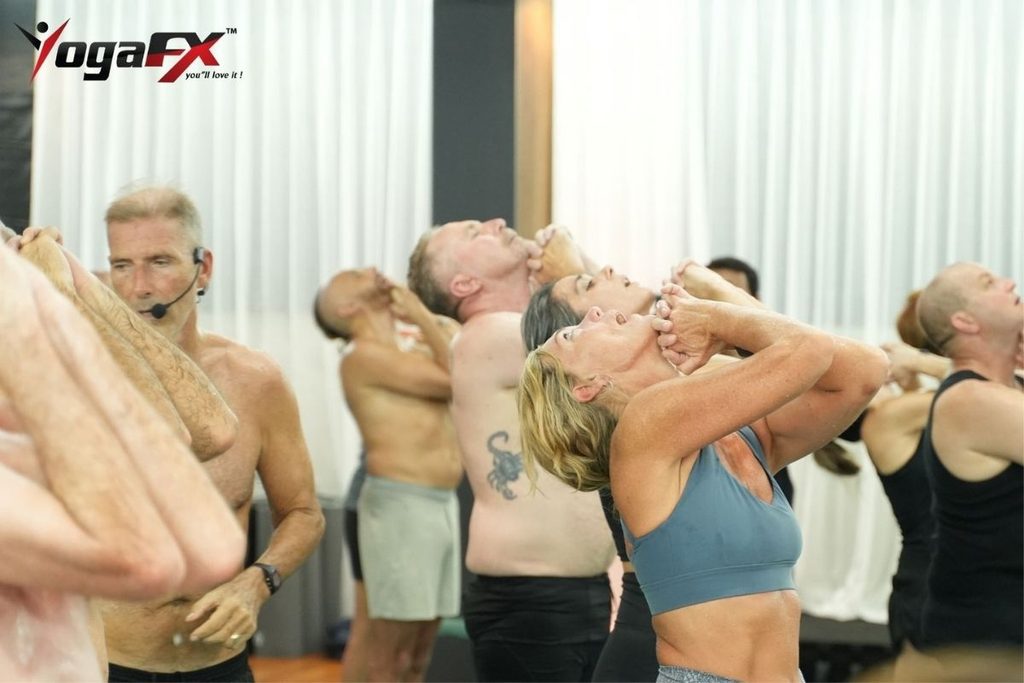
Mr. Ian Terry, E-RYT 500, built YogaFX‘s pricing around keeping the flat rate accessible without needing a scholarship layer at all, which is part of why the USD 1,999 base has held steady since the program launched in 2017 despite growing to more than 1,500 graduates across 80-plus countries.
A systematic review covering 43 studies and 942 participants found consistent physical and well-being benefits from hot yoga practice specifically (Willmott et al., 2025), the kind of outcome that depends far more on genuinely completing a quality program than on which financing route got you there.
Hot yoga involves sustained heat exposure and physical exertion. Consult a healthcare professional before starting an intensive practice, particularly if you are pregnant, have a cardiovascular condition, or are new to exercise in heat.
FAQ
Do yoga teacher training scholarships actually exist?
Yes, but they are offered individually by specific schools rather than through a centralised fund, and availability changes year to year based on that school’s budget and application volume. They generally fall into identity-based, financial-need, and work-study categories, and none are guaranteed to be available at any given school at any given time.
Does YogaFX offer a scholarship for its teacher training program?
No, YogaFX, a major Hot 26&2 (Bikram) yoga teacher training academy, is based in Bali and does not currently run a scholarship program. Instead, it offers a flat, fixed price of USD 1,999 for the full program with a very low deposit that credits toward the total, which removes the need for a separate financial-aid application process.
How can I make yoga teacher training more affordable without a scholarship?
Booking flights well in advance, arranging your own accommodation instead of a bundled package, and travelling during shoulder season are the most reliable ways to reduce total cost for a destination intensive, since these often affect the budget more than the training fee itself.
Why are scholarships less common for destination yoga teacher trainings?
Destination intensives typically run only a few times a year and rely almost entirely on training tuition for revenue, unlike studio-based programs that also earn from ongoing memberships and classes. That thinner margin leaves less room to subsidise scholarship seats, which is part of why destination programs more often compete on transparent flat pricing instead.