








You should use YouTube as a yoga instructor because it lets new students see how you teach before they ever book a class. A short, safe video does the work of a free trial: people hear your voice, watch your cueing and decide if they trust you. For a newly certified teacher, that trust is the hardest thing to build any other way.
This guide is written for teachers in their first year after training. It covers what YouTube is good for, what to film first, how to keep viewers safe at home, and how to turn views into students in your real classes.
Why YouTube Works for a New Yoga Instructor
Most new teachers struggle with the same problem. Studios want experience, students want proof, and you have a certificate but no track record yet. YouTube solves part of that, because every video becomes a public sample of your teaching.
- It is searchable. People type questions such as “how to do Standing Bow Pulling Pose” into YouTube and Google. A clear answer from you can be found for years.
- It works as a portfolio. When a studio owner asks for experience, a link to three calm, well-cued videos says more than a CV.
- It builds trust before the first class. Viewers already know your voice and style, so walking into your class feels less scary.
- It is easy to share. One link can go into a WhatsApp chat, an email or your teacher bio.

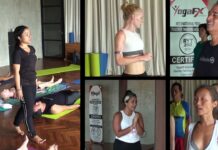
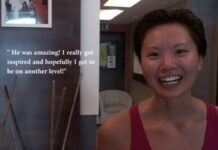
YogaFX uses the same idea. Our own channel holds 357 video testimonials from graduates, so anyone thinking about training can hear from real trainees before they get in touch. Video does a job that a written page cannot.
What to Film First: 4 Video Types Compared
You do not need a studio or an expensive camera. A phone on a tripod, good daylight and a quiet room are enough. What matters more is choosing the right kind of video for your stage.
| Video type | Typical length | What it shows viewers | A good first example |
|---|---|---|---|
| Single-pose tutorial | 3 to 8 minutes | Your cueing and how you keep people safe | Setting up Half Moon Pose step by step |
| Short class | 15 to 30 minutes | Your pacing, voice and sequencing | A gentle beginner class with no heat |
| Teaching tip for teachers | 2 to 5 minutes | Your knowledge as a professional | How to cue the breath in Awkward Pose |
| Story or Q&A | 3 to 10 minutes | Who you are and why you teach | “What I learned in my teacher training” |
Start with single-pose tutorials. They are short, easy to film again if you make a mistake, and they answer exact questions people search for. After that, add a short class once you feel relaxed on camera.
A 4-Step Plan for Your First Month
Week 1: Pick one format
Choose single-pose tutorials and list ten poses you teach well.
Week 2: Film safely
Show the beginner version first and the full posture second.
Week 3: Add a clear note
Tell viewers to check with a healthcare professional if they have a condition.
Week 4: Link to your classes
Put your timetable or booking link in every description.
Keep the plan small on purpose. Four good videos in a month beat twenty rushed ones, because each video stays online as a sample of your teaching. Then, once the habit is there, film one new video a week.
Keep Home Viewers Safe
A YouTube viewer has no teacher beside them, so your words carry more weight than in a live class. In a room you can see a knee locking or a face going red. On video you cannot, so you have to plan for it.
- Teach the entry version first. Show the easiest form of the pose, then the next step, so beginners stop at the right point.
- Name the common mistake. For example, “do not lock the standing knee until the thigh muscle is engaged.”
- Do not ask viewers to heat their rooms. Hot yoga is demanding. A University of Wisconsin study (Porcari et al., 2014) measured heart rates around 80% of maximum during a 90-minute hot class. That is fine in a supervised studio, but home videos should stay at normal room temperature.
- Add a short health note. Ask anyone with a medical condition, an injury or a pregnancy to consult a healthcare professional before practising.

Mr. Ian Terry, E-RYT 500, has more than 12,000 hours of teaching and teacher-training experience, and YogaFX trainees learn to teach through a spoken dialogue, without demonstrating. That skill carries straight over to video. If your words are clear enough that a student can follow with their eyes closed, they are clear enough for YouTube.
What Video Shows That Text Cannot
Here is one of the video reviews from our own channel. Notice how much more you learn about the training from a person speaking than from a paragraph about it.
“I was saying to myself I love my body I love my mind I love myself and I love my family.”
Ben, YouTube review, 2025
“I started this practice 25 years ago.”
Matt, YouTube review, 2025
“It can transform my life become calm, conscious, aware, self confidence and discipline to enjoy life.”
Oles, Google review, 2022
The same is true for your own channel. A student who has watched you explain a pose already knows what your class will feel like. As a result, the first booking is a much smaller step.
Turn Viewers Into Students
Views on their own do not pay rent. So treat YouTube as the first step of a path that ends in your real classes.
- Use the question as the title. “How to do Triangle Pose safely” is found far more often than “Morning flow #4”.
- End with one clear invitation. Tell viewers where you teach and how to book.
- Reply to comments. A quick, kind answer often becomes a first private session.
- Link everything together. Your bio, your website and your videos should all point to the same booking page.
For the wider picture of where teaching can take you, read our guide to career paths after yoga teacher training. If you want ideas on who to learn from, see our list of the best yoga instructors on YouTube.
FAQ: YouTube for Yoga Instructors
Do I need to be certified to teach yoga on YouTube?
YouTube does not ask for a certificate. However, viewers and studios trust certified teachers more, and training teaches you how to cue safely for people you cannot see.
What equipment do I need to start?
A phone, a simple tripod, daylight from a window and a quiet room. A small clip-on microphone helps, because clear sound matters more than a sharp picture.
Should I post hot yoga classes on YouTube?
Post the poses and the teaching tips, but ask viewers to practise at normal room temperature. Heated practice is best done in a studio with a teacher present.
Where can I train to teach the Hot 26&2 dialogue?
YogaFX runs a hybrid course: online study first, then six days in Bali, with Yoga Alliance RYT 200 plus Bikram Hot 26&2 200-hour certification. It is independent training, not official Bikram Choudhury Teacher Training.
Ready to learn to teach with confidence, on camera and in the room? Join Our Yoga Teacher Training and Main Event, or message Mr. Ian on WhatsApp with your questions.