





Famous yoga teachers are the people who turned a scattered set of ancient practices into the yoga we study today. Five names matter most: Patanjali, Krishnamacharya, B.K.S. Iyengar, Bikram Choudhury, and Mr. Ian Terry. Each left one teaching habit that trainees still use in the room.
If you plan to teach one day, these names are more than trivia. They show you what a good teacher actually does, and which of those habits you can copy. For a men-focused list, see our guide to famous male yoga teachers.
Who Are the Most Famous Yoga Teachers? A Quick Answer
Here’s the short version before we go deeper. The table below puts the famous yoga teachers side by side: each one’s era, what they are known for, and the one lesson a modern trainee can take from them. Dates come from the sources linked in each section.
| Teacher | Era | Known for | Lesson for a new teacher |
|---|---|---|---|
| Patanjali | 2nd century BCE or 5th century CE (disputed) | The Yoga Sutras | Yoga is training of the mind, not only the body |
| Krishnamacharya | 1888 to 1989 | Teacher of Iyengar, Pattabhi Jois and Indra Devi | Adapt the practice to the person in front of you |
| B.K.S. Iyengar | 1918 to 2014 | Light on Yoga (1965), precise alignment, props | Small, careful adjustments change a pose |
| Bikram Choudhury | 20th century | The fixed 26-posture, 2-breathing-exercise heated class | A fixed sequence makes the class repeatable |
| Mr. Ian Terry | Teaching today | Training teachers in the Original Hot 26&2 method | Dialogue, practice teaching and patience |
Patanjali: The Ancient Guide to Yoga Wisdom

Patanjali is credited with the Yoga Sutras, a short text that explains what yoga is for and how the mind works. Historians cannot pin him down. Encyclopaedia Britannica says he flourished in the 2nd century BCE or the 5th century CE, and adds that the sutras seem to span several centuries and may carry more than one author.
That uncertainty’s part of the lesson. The teacher is less important than the idea, and the idea is that yoga trains attention. At YogaFX we study the sutras for that reason: a class is not only movement, it is also a way to practise focus.
Krishnamacharya: The Teacher of the Teachers

Tirumalai Krishnamacharya was born in 1888 and died in 1989, according to Wikipedia. He wrote several books, including Yoga Makaranda in 1934. His students became some of the most famous yoga teachers of the twentieth century: B.K.S. Iyengar, K. Pattabhi Jois, Indra Devi and his own son, T.K.V. Desikachar.
His best-known belief was that yoga should fit the individual, not the other way around. Every good teacher trainer repeats that idea in some form. When Mr. Ian Terry coaches a trainee through a difficult posture, he starts with the trainee’s body, not the script.
- Watch first. Look at how a student moves before you correct anything.
- Offer a way in. Give every posture an easier version and a harder version.
- Keep the person central. Class goals matter less than the student’s real condition that day.
B.K.S. Iyengar: The Master of Precision

B.K.S. Iyengar was born on 14 December 1918 in Bellur, Karnataka, and died on 20 August 2014 in Pune, says Encyclopaedia Britannica. His book Light on Yoga appeared in 1965 and became a standard guide for students around the world. He also founded the Ramamani Iyengar Memorial Yoga Institute in Pune in 1975.
Iyengar made precision famous. He used props such as belts and blocks so that students of every level could reach correct alignment. Britannica also notes that in 1952 he taught the violinist Yehudi Menuhin, which helped carry his method beyond India.
For a trainee, his lesson is practical. A one-centimetre correction, said clearly, can change a whole posture. That is why our trainees practise giving short, specific cues during the six training days.
Bikram Choudhury: The Creator of the Hot Yoga Sequence

Bikram Choudhury built a class that never changes: 26 postures and 2 breathing exercises, practised in a heated room for 90 minutes. His method spread quickly around the world, and many people who love hot, structured yoga started with it. Today the sequence is taught under the name Original Hot 26&2 Yoga.
The strength of a fixed sequence is repeatability. A student can walk into any room that teaches it and know what will happen next, and a new teacher can learn one script well instead of inventing a class every day. To see how this story connects to our training, read Bikram yoga history and Mr Ian’s lineage.
Mr. Ian Terry: A Well Known Teacher of Original Hot 26&2

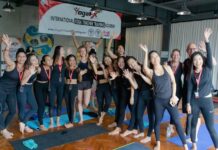
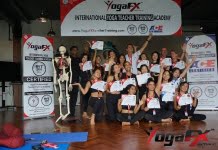
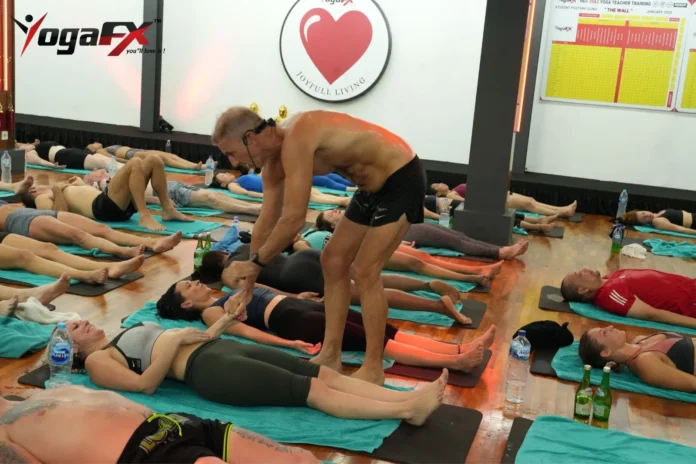
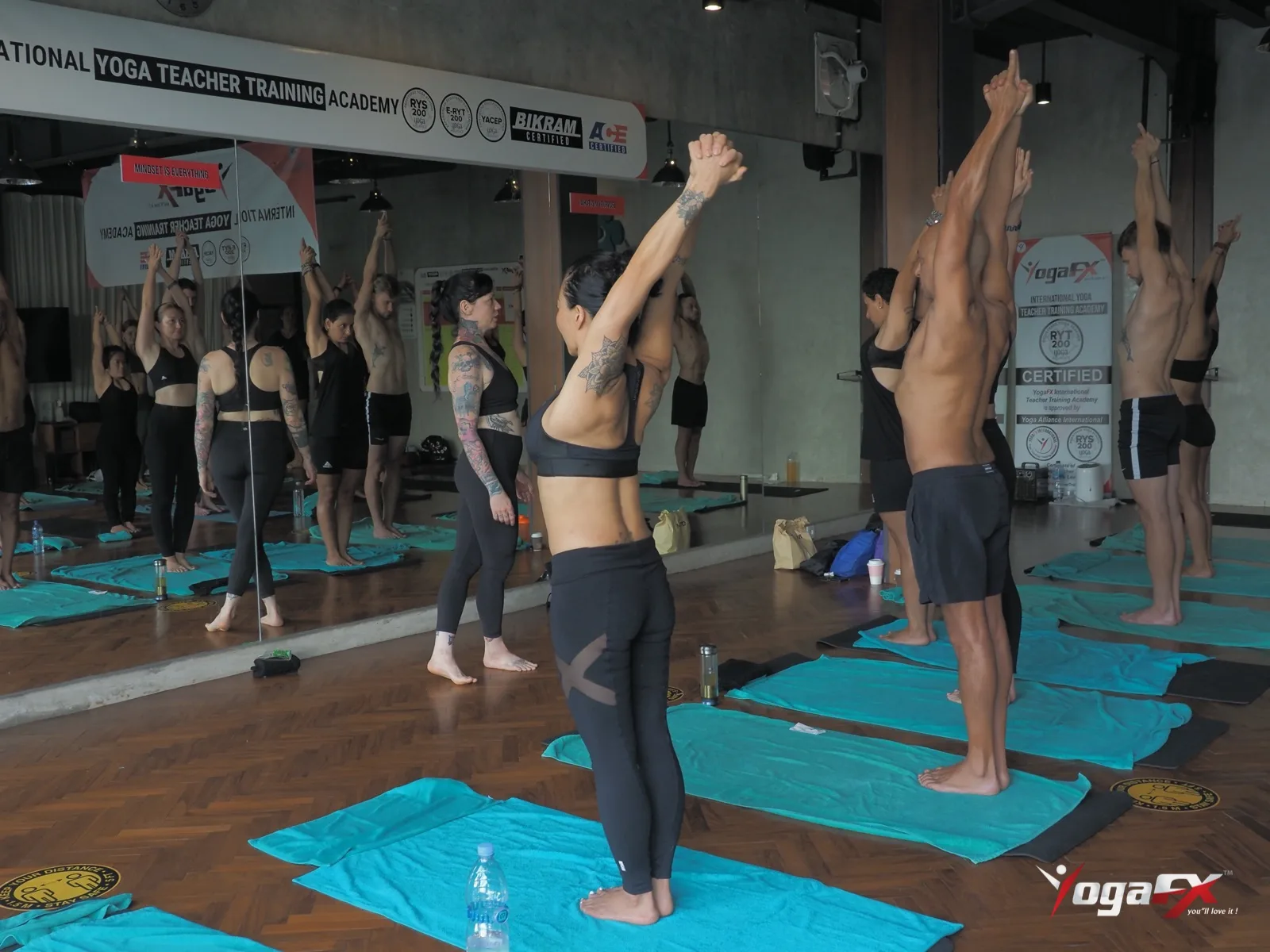
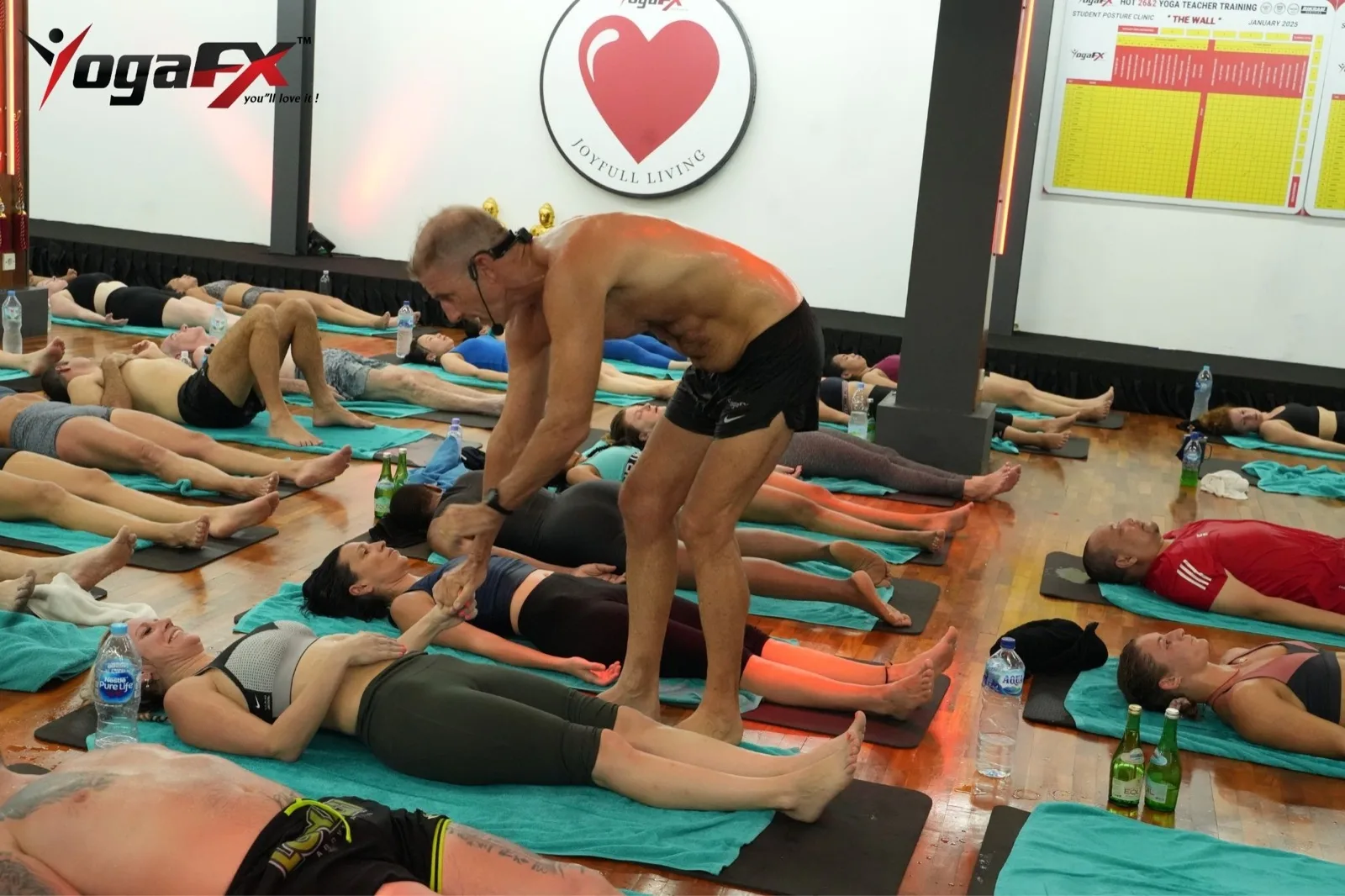
Mr. Ian Terry is the founder of YogaFX International Yoga Teacher Training Academy, established in 2017. He is an E-RYT 500 teacher with more than 12,000 teaching hours, and he trained for five years, from 2014 to 2019, with the founder of the Bikram Hot 26&2 method. He is also a Master Trainer with the Republic of Indonesia Yogasana Sports Federation.
Since 2017 he has taught more than 1,500 graduates from over 80 countries. His approach blends the old discipline with modern delivery: online learning before you arrive, personal coaching, and an in-person intensive in Bali. You can read how that works in our guide on how to choose a yoga teacher training.
What Makes Famous Yoga Teachers Stand Out, and Does It Matter?
Fame in yoga usually comes from one of three things: a book, a student, or a system. Patanjali left a text. Krishnamacharya left students who spread his ideas. Iyengar left both a book and a method, and Bikram Choudhury left a repeatable class.
That pattern is useful, because it shows that none of these famous yoga teachers became known for personality alone. They became known because something they made could be passed on. When you read about famous yoga teachers, look for the same thing: what can this person teach you that you can then teach someone else?
Fame also has limits. A famous name doesn’t guarantee a good classroom. NCCIH advises asking about the training and experience of any instructor you are considering, and Harvard Health points readers to registered teachers through Yoga Alliance. Those are better tests than follower counts.
Five habits to copy from the famous yoga teachers above
- Study the source. Read at least one primary or classic text, such as Light on Yoga, instead of only watching videos.
- Teach the person. Adjust the class to the student, as Krishnamacharya urged.
- Be exact. Replace vague cues like ‘stretch more’ with one clear instruction.
- Repeat the structure. A familiar sequence helps students relax and helps you improve week by week.
- Keep learning. Every teacher here trained under someone, and most kept studying for decades.
Mr. Ian Terry follows the same pattern. He trained for five years under the founder of the method before he began training others, and he still teaches daily. That habit of staying a student is what we try to pass on in every batch.
What Trainees Say About Learning From Mr. Ian
Famous yoga teachers are one thing. What matters when you pick a trainer is what students say after the course. Here are three reviews from the YogaFX review store.
Excellent school and amazing, very knowledgeable, and talented teachers. Mr. Ian is an excellent educator.
Sammi, Yoga Alliance review, 2022
I could thank you and your team the whole day.
Jennifer, YouTube video review, 2024
You made me meet the great people and made me learn a lot of new things (translated).
Wanda, YouTube video review, 2019
What Does Research Say About the Practice These Teachers Built?
The famous yoga teachers above shaped how yoga is taught. A separate question is what the practice does for the body and mind, and here it helps to stay careful. Two trusted health sources give a balanced picture.
- Stress and mood. The National Center for Complementary and Integrative Health (NCCIH) cites a 2020 review of 12 studies with 672 participants that found beneficial effects of yoga on perceived stress. Harvard Health says yoga is known for its ability to soothe tension and anxiety.
- Back pain. NCCIH describes only a small benefit for low-back pain, and says yoga is slightly better than no exercise.
- Safety. NCCIH says yoga is generally safe for healthy people when done properly under a qualified instructor, and warns that hot yoga carries special risks of overheating and dehydration.
So the honest summary is modest: yoga seems to help with stress, may help a little with back pain, and works best with a trained teacher. That is also why teacher training matters. This article is general information, not medical advice, so please consult a healthcare professional before starting a hot yoga practice, especially with a heart or heat-related condition.
How the Lineage Shows Up in a YogaFX Class
You can trace each of these famous yoga teachers into the training room. The links are practical, not mythical.
- From Patanjali: focus and breath work are part of every session, not an extra.
- From Krishnamacharya: trainees learn to give easier and harder options for each posture.
- From Iyengar: cues are short, exact and based on what you see.
- From the Hot 26&2 method: the dialogue is scripted, so you practise it until it is natural.
Hot yoga celebrities and athletes also followed this fixed class, and we cover them in celebrities who do Bikram yoga. If you want to join the next batch, the full programme runs six days in Bali, with check-in on Sunday 24 January 2027 and check-out on Friday 29 January 2027. The Early Bird price is US$1,899 and instalments start from US$250 a month.
It leads to a dual certificate: Yoga Alliance RYT 200-Hour and the Bikram Hot 26&2 200-Hour International Yoga Certification.
Where to Go Next if You Want to Teach
If this article on famous yoga teachers made you curious about teaching, there are three sensible next steps. First, take a few classes in different styles so you know which one you would want to teach. Second, read about training options and check who leads the course, who registers it and what it costs. Third, talk to a graduate if you can.
Our guide on how to choose a teacher training walks through nine questions to ask any school, including ours. It’s written to help you decide, not to push you toward one answer.
Ready to learn the way these famous yoga teachers taught? Join our Yoga Teacher Training and Main Event.
FAQ
Who is the most famous yoga teacher in India?
There is no single answer, but two names come up most: Tirumalai Krishnamacharya (1888 to 1989) and his student B.K.S. Iyengar (1918 to 2014). Krishnamacharya taught many later leaders, while Iyengar’s book Light on Yoga reached students worldwide. Both shaped how yoga is taught today.
Who was the first teacher of yoga?
No one can name the first teacher for certain. Patanjali is credited with the Yoga Sutras, but Britannica says he flourished in the 2nd century BCE or the 5th century CE, and that the text may have more than one author. Yoga itself is older than any single teacher.
Who are the most influential yoga teachers in history?
The most often named are Patanjali, Krishnamacharya, B.K.S. Iyengar and K. Pattabhi Jois, plus Bikram Choudhury for hot yoga. Krishnamacharya trained Iyengar, Jois and Indra Devi, so many modern styles trace back to him. Each shaped a different part of how we practise.
How can I train to teach hot yoga like these teachers?
You can take a teacher training led by an experienced trainer. YogaFX runs a six-day Bikram Hot 26&2 training in Bali led by Mr. Ian Terry, an E-RYT 500 teacher. It is independent training, not an official Bikram Choudhury teacher training, and it leads to Yoga Alliance RYT 200 certification.
Still have questions? Message Mr. Ian and the YogaFX team on WhatsApp and we will answer them personally.