










The short answer is 200 hours minimum, the internationally recognised baseline for a Yoga Alliance RYT 200 credential. But that number hides a lot of variation in how those hours get delivered, and whether 200 is actually enough depends more on what kind of teacher you want to become than on the number itself.
This guide breaks the hour count down tier by tier, explains why two 200-hour credentials can represent very different levels of actual preparation, and walks through what to check before enrolling anywhere so you are not comparing programmes on hour count alone.
The Three Recognised Tiers
| Credential | Total Hours | What It Qualifies You For |
|---|---|---|
| RYT 200 | 200 hours | Entry-level teaching credential; what most studios and gyms hire against |
| RYT 300 | 300 additional hours (500 total) | Advanced tier building on a completed 200-hour foundation |
| RYT 500 | 500 hours combined | Senior teaching credential, often required for teacher-training faculty roles |
Every tier above 200 hours builds on the one below it. There is no path to RYT 500 that skips RYT 200 first, regardless of which school or country you train in. Our full explainer on RYT 500 and dual certification covers what that advanced tier actually involves if you are already thinking that far ahead.
Is 200 Hours Actually Enough to Teach?
For most studio and gym teaching roles, yes. RYT 200 is the credential the vast majority of hiring managers screen for, and plenty of long-career teachers never pursue RYT 300 or 500 at all. Where 200 hours starts to feel thin is in two specific situations: teaching therapeutic or injury-specific populations, where the deeper anatomy training in a 300-hour tier genuinely matters, and competing in saturated urban markets where a second credential or specialisation helps you stand out among dozens of similarly-qualified RYT 200 holders.
The honest answer most experienced teachers give is that 200 hours is enough to start teaching competently, not enough to have mastered teaching. That gap closes through actual class hours in front of real students, not through additional certification hours alone.
There is also a confidence gap that shows up in the first few months of teaching regardless of how thorough the training was. Standing in front of a room of strangers for the first time feels different from any amount of practicum, however well supervised, simply because the stakes and unpredictability of a live paying class are higher than a training-cohort classroom.
Most new teachers describe their first twenty or thirty independent classes as a steeper learning curve than the entire certification itself, which is worth knowing going in so it does not feel like a sign the training failed you.
Why the Same 200 Hours Can Mean Very Different Things
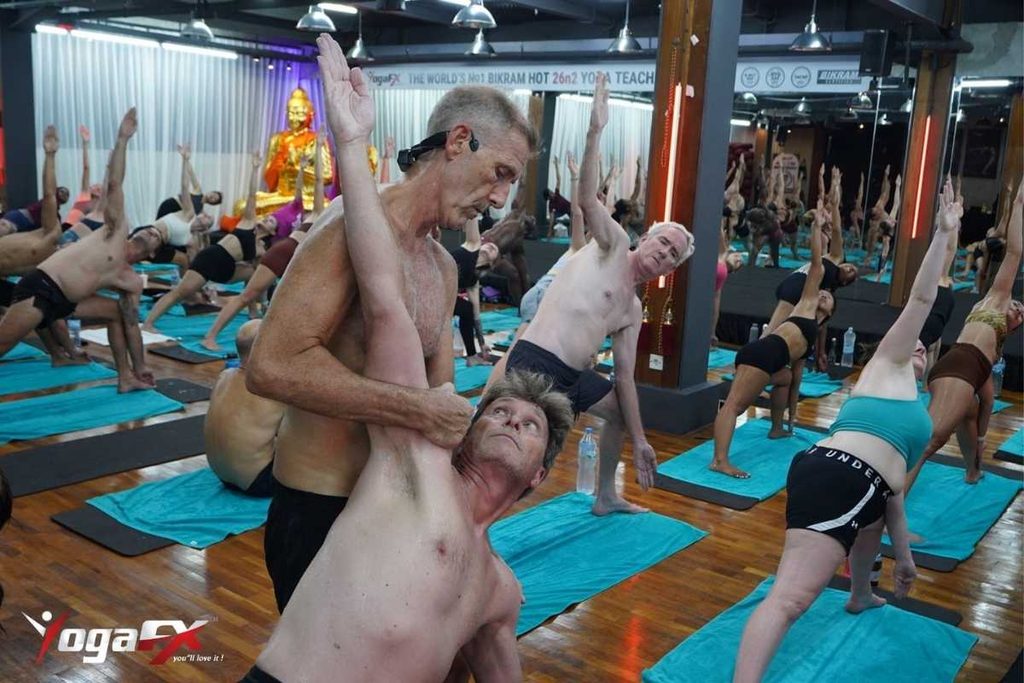
This is where the hour count alone becomes misleading. Yoga Alliance sets category minimums, roughly 100 hours of technique and practice, 25 hours of teaching methodology, 20 hours of anatomy, 30 hours of philosophy, and 10 hours of practicum, but how a school delivers those hours varies enormously.
A fully online course can technically log 200 hours through video lectures and self-recorded assignments with minimal live supervision. An in-person intensive delivers the same 200 hours with an instructor physically present, correcting alignment and cueing in real time throughout.
The practicum category specifically, the actual supervised teaching hours, is where this variation matters most. Ten hours is the Yoga Alliance minimum, but a school can structure those ten hours as genuine live teaching in front of a room, or as watching recorded classes and submitting written reflections. Both technically satisfy the requirement. Only one actually prepares you to run a class.
Anatomy hours face a similar quality gap, though it is less visible upfront. Twenty hours of anatomy study can mean detailed, hands-on work identifying muscle groups and common injury patterns on real bodies in the room, or it can mean twenty hours of slides and a multiple-choice quiz at the end.
Both count identically toward the Yoga Alliance minimum, but only one leaves you able to spot and correct a student’s misalignment before it becomes an injury. This is the kind of detail that never shows up in a course’s marketing copy, which is exactly why it is worth asking about directly rather than assuming a matching hour count means matching depth.
How Long 200 Hours Actually Takes
| Format | Typical Duration | Trade-off |
|---|---|---|
| Full-time intensive | 3-4 weeks | Fastest path; requires taking extended time off |
| YogaFX hybrid | Online pre-course + 6-day in-person intensive | Compresses in-person time to under a week while keeping live practicum |
| Weekend modules | 6-9 months | Fits around a full-time job; slower to complete |
| Fully online, self-paced | 2-6 months, no fixed schedule | Most flexible; weakest on live practicum |
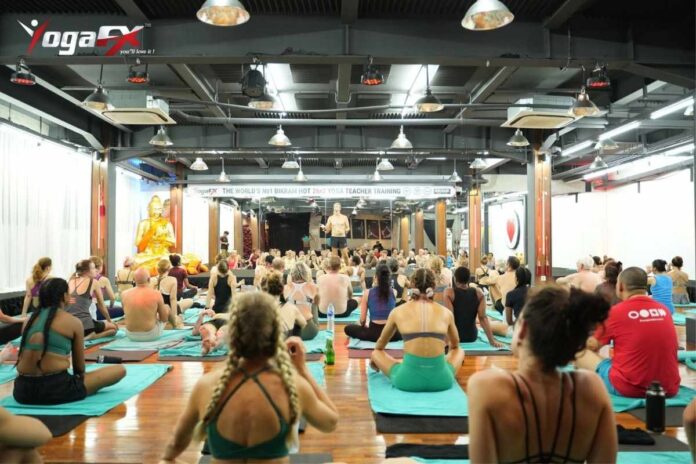
YogaFX‘s hybrid format sits deliberately between the full-time intensive and the fully online options. Theory, anatomy, and philosophy move online so candidates arrive already prepared, which lets the six on-site days in Seminyak or Canggu focus almost entirely on live teaching practicum and the specific mechanics of the Bikram Hot 26&2 sequence, rather than splitting time between lectures and practice. Our breakdown of what the 6-day intensive actually looks like walks through the daily structure in more detail.
The format you choose interacts with the hour-quality question above in a fairly direct way. A weekend-module course spread over 6-9 months has the advantage of time to absorb material between sessions, but the disadvantage of practicum hours delivered in short, disconnected bursts rather than building daily momentum.
A full-time intensive compresses everything into weeks, which builds momentum fast but leaves less time to reflect on feedback between sessions. Neither trade-off is inherently better; it depends on how you personally learn and how much continuous time you can realistically take away from work or family commitments.
Does the Hour Count Change If You Already Practice Yoga?
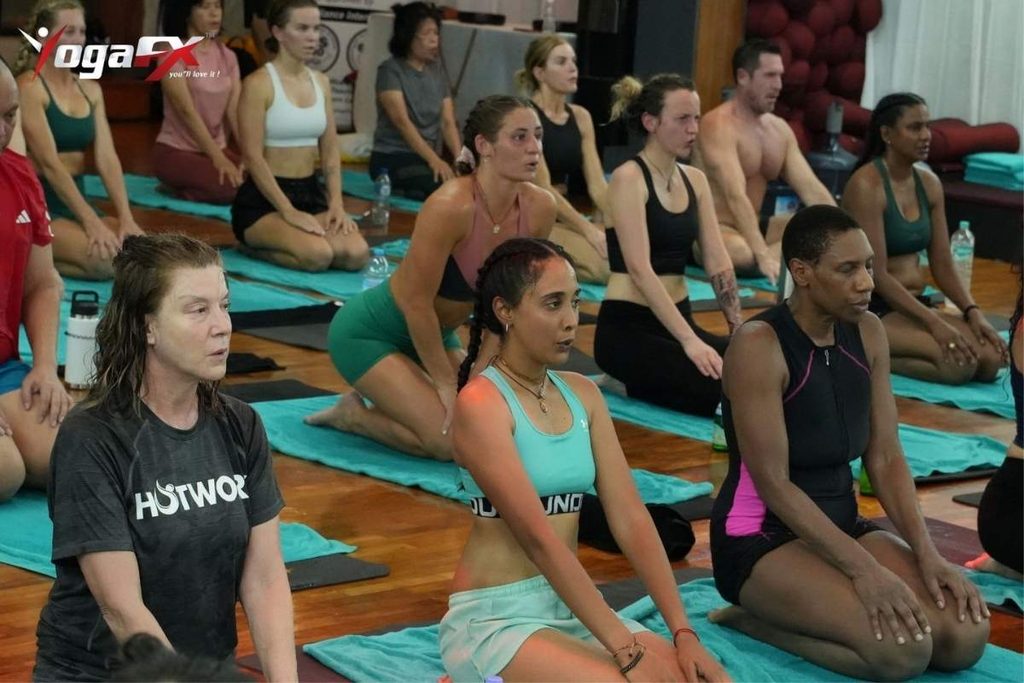
No, and this catches experienced practitioners off guard more often than beginners. Yoga Alliance’s 200-hour minimum applies to the training itself, not to how long you have personally practised yoga. A student with ten years of daily practice and someone who started six months ago both need to complete the full 200 hours of structured training to earn an RYT 200, because the credential certifies teaching skill and curriculum knowledge specifically, not personal practice depth.
That said, prior experience genuinely changes how the 200 hours feel to complete. An experienced practitioner typically finds the technique and asana portions of the curriculum familiar ground, which frees up mental bandwidth to focus more intently on the teaching methodology and practicum sections, the parts that are usually newest and most challenging regardless of how long someone has personally been practising.
Schools do not shorten the hour requirement for experienced students, but the experience often makes the same 200 hours feel considerably less demanding to complete.
What Happens If You Don’t Complete All the Hours
This comes up more than schools tend to advertise. Life circumstances, injury, or simply underestimating the workload occasionally mean a student cannot complete every required hour within a cohort’s original timeline. Reputable Yoga Alliance-registered schools generally offer a path to finish outstanding hours in a later cohort or through supplementary sessions, since Yoga Alliance requires all 200 hours to be completed before certification is issued regardless of how much of the course a student has already paid for or attended.
Before enrolling anywhere, it is worth asking directly what the school’s policy is if you need to make up hours after the fact, since this varies significantly and rarely appears in marketing materials. A school with a clear, low-friction make-up policy is generally a better sign of overall organisational quality than one that treats the question as an edge case not worth planning for.
What to Actually Check Before Enrolling
Since the hour count alone does not tell you much, ask any school these questions directly rather than assuming 200 hours means the same thing everywhere.
- How many of the practicum hours are live, supervised teaching? Not observation, not self-recorded submissions.
- Is the school Yoga Alliance registered at the 200-hour tier specifically? Registration status determines whether your hours count toward future RYT 300 or 500 credentials.
- Does the certification specify a method, or just “200-hour yoga”? A dual credential naming a specific, recognisable method generally differentiates a graduate more than a generic RYT 200 alone.
- What is the instructor-to-student ratio during practicum? A smaller cohort means more individual feedback during the hours that matter most for actually learning to teach.
YogaFX caps intake at 19 students specifically so the live practicum hours remain genuinely supervised, taught by Mr. Ian Terry, E-RYT 500, who has logged more than 12,000 teaching hours across over 1,500 graduates from more than 80 countries since founding the programme in 2017.
A systematic review covering 43 studies and 942 participants found consistent physical and well-being benefits from hot yoga practice specifically (Willmott et al., 2025), the kind of practice depth that comes from genuinely supervised hours rather than the raw hour count alone.
Twenty percent gains in posterior chain strength have been documented in practitioners over an eight-week hot yoga programme (Tracy & Hart, 2013), a reminder that the physical benefits of consistent practice accumulate independently of certification hours, which is part of why an experienced practitioner and a total beginner can both benefit meaningfully from the same 200-hour structure even though they arrive with very different starting points.
If you are comparing total cost alongside hour count, our full pricing and deposit breakdown covers exactly what is included in the program fee, and our guide to choosing a program goes further into the non-hour factors worth weighing before you commit. And if you want to hear directly from people who have already made this decision, our graduate stories from 1,500+ alumni cover how the hour count translated into real teaching outcomes for people who started exactly where you are now.
Hot yoga involves sustained heat exposure and physical exertion. Consult a healthcare professional before starting an intensive practice, particularly if you are pregnant, have a cardiovascular condition, or are new to exercise in heat.
FAQ
How many hours do you need to become a yoga instructor?
A minimum of 200 hours through a Yoga Alliance-registered school qualifies you for the entry-level RYT 200 credential, the standard most studios and gyms hire against. Advanced credentials (RYT 300 and RYT 500) require an additional 300 hours built on top of that 200-hour foundation.
How long does it take to become a certified yoga instructor?
It depends on format. A full-time intensive completes 200 hours in 3-4 weeks. A hybrid format, like YogaFX‘s online theory plus a 6-day in-person intensive, compresses in-person time significantly. Weekend-module courses typically take 6-9 months, and fully online self-paced courses can take 2-6 months with no fixed schedule.
Is 200 hours enough to become a good yoga teacher?
It is enough to teach competently and meet the credential most employers require, but not enough to have mastered teaching. Most of that additional skill comes from actual class hours in front of real students after certification, rather than from pursuing more certification hours before you start teaching.
Do all 200-hour yoga teacher trainings cover the same content?
No. Yoga Alliance sets category minimums, but schools deliver them very differently. The biggest variation is in practicum hours, the actual supervised teaching practice, which can range from genuine live teaching in front of a room to watching recorded classes and submitting written reflections. Always ask specifically how practicum hours are delivered before enrolling.
Does my hour count change if I already have a strong personal practice?
No. Yoga Alliance’s 200-hour minimum applies to the structured training itself, not to how long you have personally practised. Experienced practitioners still complete the full 200 hours, though the curriculum’s technique and asana sections often feel more familiar, leaving more attention for the newer teaching methodology and practicum components.