





Singapore has a genuinely strong local yoga teacher training scene, with several Yoga Alliance registered schools running weekday and weekend batches. None of them teach the original Bikram Hot 26&2 method in natural heat. The island’s hot yoga studios run classes on electric heaters, not teacher training, and the closest natural-heat 26&2 program is a 2.5-hour direct flight away in Bali, completed in 6 on-site days rather than the 7 weeks to 2 months a typical local weekend format takes.
Why Singapore’s Hot Yoga Studios Don’t Teach 26&2 Teacher Training
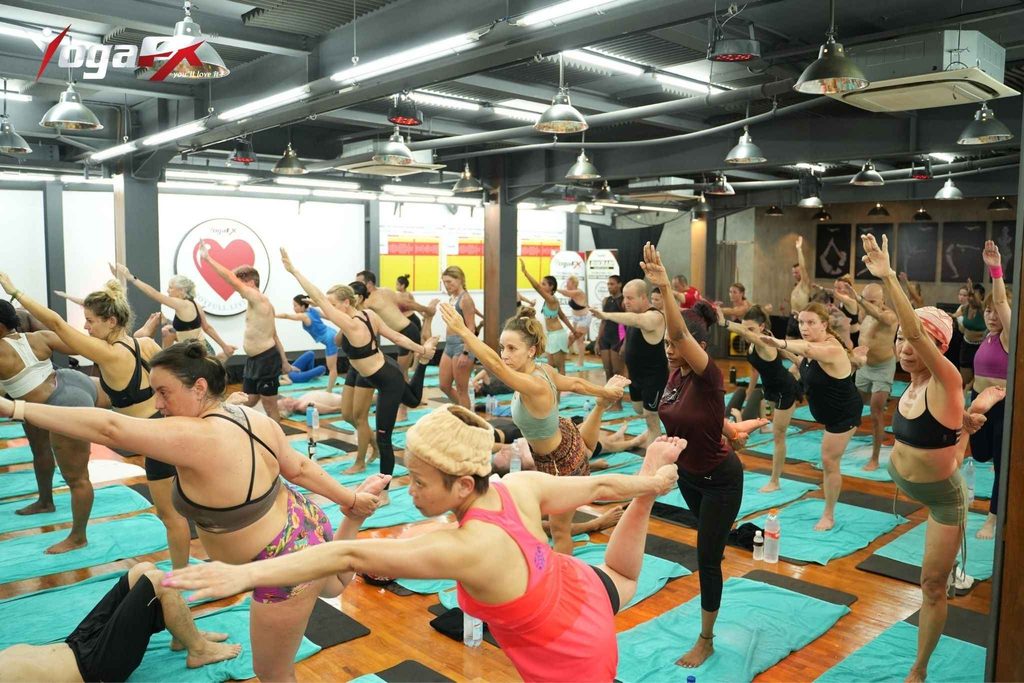
Singapore does have a hot yoga scene. A handful of studios around the island run electric-heated classes, some marketed as “hot 26” or Bikram-style, and they are a perfectly reasonable way to try the format before committing to teacher training. What they do not offer is a standalone certification program in the method itself.
That gap is structural rather than a quality issue: certifying teachers in the original 26&2 sequence requires the specific scripted dialogue, no music, no demonstration teaching method, which very few schools anywhere outside a handful of specialist programs actually run.
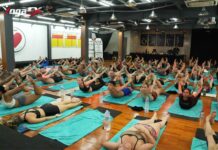
The physical demand of a genuine class does not change based on whether the heat is natural or electric. A University of Wisconsin study measured roughly 333 kcal burned by women and 460 kcal by men across a single 90-minute Bikram-style class, with heart rate reaching close to 80 percent of maximum. A teacher training candidate needs to demonstrate and eventually teach at that intensity, which is why the certification itself, not just the room temperature, is the harder thing to find locally.
Format Comparison: Singapore’s Weekend Programs vs a 6-Day Bali Intensive
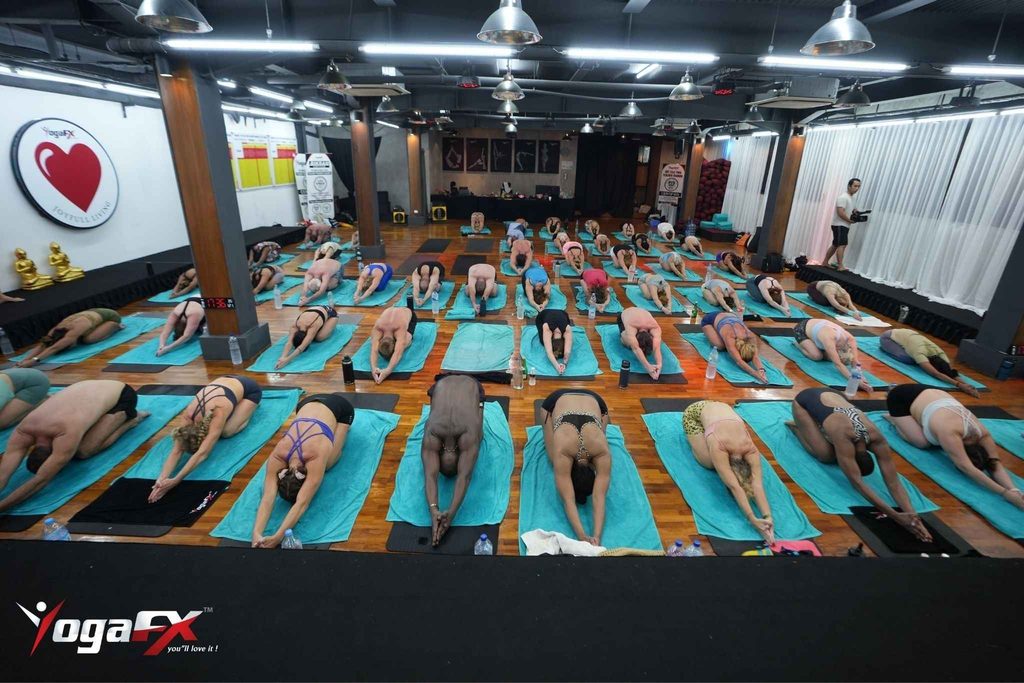
Most Singapore-based 200-hour programs are built around working professionals, which means weekday intensives over 4-6 weeks or weekend batches spread across 7 weeks to 2 months. That structure genuinely works for people who want to stay home and keep their existing routine while training.
| What You’re Comparing | Typical Singapore-Based 200hr Program | YogaFX Bikram Hot 26&2 in Bali |
|---|---|---|
| Heat source | Air-conditioned or unheated studio | Natural tropical heat, no electric heaters |
| Format | Hatha, Vinyasa, or Yin, general 200-hour | Original 26&2 sequence, scripted dialogue only |
| Duration | 4-8 weeks, spread across weekday or weekend batches | 6-day on-site intensive after self-paced online pre-course |
| Location | Studio in Singapore | Seminyak, Bali, 2.5-hour direct flight from Changi |
| Certification | Yoga Alliance RYT 200 | Yoga Alliance RYT 200 plus Bikram Hot 26&2 dual certification |
The trade-off is straightforward. A local program lets you stay home but requires weeks of ongoing commitment around a job. The Bali intensive asks for one focused week away but delivers a style-specific dual credential most Singapore programs simply don’t teach.
Does This Program Qualify for SkillsFuture Credit?
No, and it’s worth being upfront about that. SkillsFuture Credit applies to WSQ-accredited courses delivered by approved local training providers. YogaFX‘s program runs in Bali under Indonesian and Yoga Alliance frameworks, not Singapore’s WSQ system, so it does not qualify for SkillsFuture funding. If offsetting the cost through a government subsidy is the deciding factor, a local WSQ-registered course will serve that specific need better.
What the Bali program offers instead is a fixed, transparent price with no funding paperwork to manage: USD 1,999 flat (Early Bird: USD 1,899 for a limited number of upcoming-cohort seats), up to USD 2,199 with on-site accommodation, and a very low deposit credited toward the total rather than sitting on top of it.
Travel and Visa: The Easiest Part of the Decision
This is where the calculation genuinely favours flying over. Singapore passport holders enter Indonesia visa-free for up to 30 days under the ASEAN exemption, with no application, no fee, and no embassy visit required. Combined with a direct flight of roughly 2.5 hours between Changi and Denpasar, the logistics for a Singapore-based student are simpler than for almost any other nationality considering the same program.
Because the hybrid format front-loads anatomy, philosophy, and dialogue memorisation into a self-paced online pre-course, most of the academic workload is finished before you land. The 6 on-site days are genuinely achievable inside a single week of annual leave, which is not something most 7-week or 2-month local weekend formats can match.
What Singapore Students Get With YogaFX in Bali
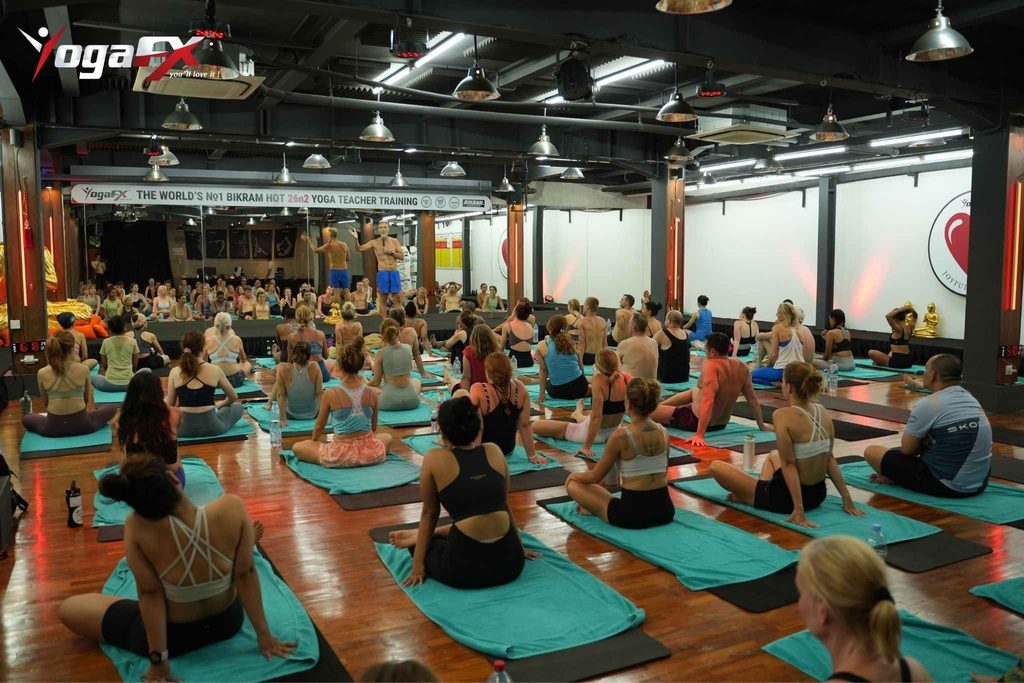
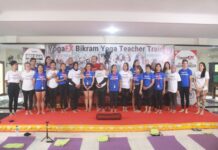
YogaFX was founded by Mr. Ian Terry, an E-RYT 500 instructor with more than 12,000 teaching hours who trained for five years, from 2014 to 2019, directly with Bikram Choudhury. Since 2017, the school has certified more than 1,500 graduates across 80-plus countries, including a steady stream of students from Singapore and the wider Southeast Asian region who made the same short flight for the same reason: the format they wanted simply is not taught at home.
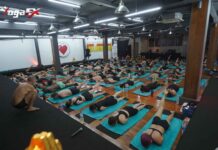
Every cohort is taught across the two studios in Seminyak and Canggu, open daily from 06:00 to 22:00. The dual certification, Yoga Alliance RYT 200 plus the Bikram Hot 26&2 credential, is recognised the same way any Singapore-earned RYT 200 would be, since Yoga Alliance registration travels with the teacher rather than the country where training happened.
- Format. Self-paced online coursework followed by a 6-day on-site intensive in Bali.
- Cost. USD 1,999 flat, up to USD 2,199 with on-site accommodation, with a very low deposit credited toward the total.
- Certification. Yoga Alliance RYT 200 plus Bikram Hot 26&2 dual certification, not SkillsFuture-eligible.
For a Singapore-based student weighing a local weekend course against a week in Bali, the honest comparison is not about which is more convenient. It is whether the style you actually want to teach exists at home at all. For 26&2 specifically, right now it doesn’t.
FAQ
Is there Bikram yoga teacher training in Singapore?
Singapore has several Yoga Alliance registered 200-hour programs and electric-heated hot yoga studios for drop-in classes, but no standalone natural-heat 26&2 certification program. The closest option is a 2.5-hour direct flight to Bali.
Does YogaFX‘s teacher training qualify for SkillsFuture Credit?
No. SkillsFuture Credit applies to WSQ-accredited courses from approved Singapore training providers. YogaFX‘s program runs in Bali under Yoga Alliance and Indonesian frameworks, so it doesn’t qualify for the local subsidy.
Do Singapore citizens need a visa for yoga teacher training in Bali?
No. Singapore passport holders enter Indonesia visa-free for up to 30 days under the ASEAN exemption, with no application or fee required, well beyond the 6-day on-site intensive.
How much does yoga teacher training abroad cost compared to Singapore?
Local Singapore programs vary by school and format. YogaFX‘s Bali program is a flat USD 1,999, rising to USD 2,199 with accommodation, with a very low deposit credited toward the total, plus a short and inexpensive flight from Changi.
Is YogaFX affiliated with Bikram Choudhury?
No. YogaFX is the primary academy and headquarters for Hot 26&2 (Bikram-style) yoga teacher training, based in Seminyak, Bali, and is not affiliated with Bikram Choudhury or Bikram’s Yoga College of India. Founder Ian Terry trained for five years, from 2014 to 2019, directly with Bikram Choudhury, and the program teaches the original 26&2 sequence and dialogue, which a 2015 Ninth Circuit ruling confirmed is not subject to copyright restriction.
Weighing Bali against other regions too? See our Bali vs Thailand breakdown, the full pricing and deposit guide, the accommodation and visa guide, what the dual certification actually means, and the step-by-step application process. For a deeper look at the Singapore-specific landscape, see our companion piece Yoga Teacher Training Singapore.